
The openEHR Fellowship
A year of mentored project work for people who want to build their openEHR expertise, contribute to the community and help shape the future of interoperable health data.
What the Fellowship offers
Each fellow works on an individual project that delivers something tangible to the openEHR community, with mentoring from experienced project supervisors and a community of senior fellows.
- Mentorship from project supervisors, senior fellows and experts in the field.
- Collaboration: monthly online meetings, a dedicated area on Discourse, course materials and a monthly reading list.
- Real-world impact: a project with tangible outcomes, in areas such as clinical modelling, standards development and technical innovation.
- Recognition: fellows present their completed project at the end of the year and graduate as official openEHR Fellows.
Areas of focus
- Clinical leadership
- Technical innovation
- Knowledge governance
- Education and advocacy
Project supervisors
This year’s supervisors bring expertise from across digital health.
- Dr Jordi Piera-JiménezCEO, openEHR International
- Dr Koray AtalagPrincipal Consultant, GALATA-Digital; openEHR CPB member
- Dr Lars FuhrmannInteroperability Coordinator and ophthalmology resident; openEHR Fellow
- Dr Joost HolslagDirector, freshEHR; openEHR CPB member
- Professor Evelyn HovengaHonorary Professor of Digital Health, Australian Catholic University
- Sebastian IancuCo-owner, Cadasto and Code24 BV; co-chair, openEHR SEC
- Heidi KoikkalainenDirector and Senior Health and Social Care Informatics Specialist, freshEHR; openEHR CPB Expert Panel
- Dr Luis Marco-RuizHealth Information Systems Interoperability Expert, vitagroup; co-chair, openEHR Software Program Board
- Dr Ian McNicollFounder, freshEHR; openEHR International Board member
- John MeredithInteroperability Specialist, EY; Director, openEHR International
- Dr David MonerSemantic Interoperability Consultant, VeraTech; openEHR Recognised Educator
- Dr Sidharth RameshFounder and CEO, Medblocks; openEHR SEC Expert Panel
- Dr Erik SundvallInformation Architect, Karolinska University Hospital
The fellows
2026 cohort
Select a fellow to read their profile. More profiles will be added soon.
- Mayank Agarwal
- Damien Donoghue
- Edouard Gence
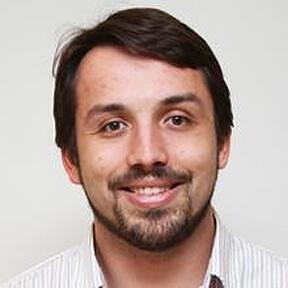 Esteban Hebel
- Bright Ibezim
- Ariorad Moniri
- Marco Pingitore
- Santiago Pinto
Senior fellows
Experienced members of the community who support the fellows alongside the supervisors.
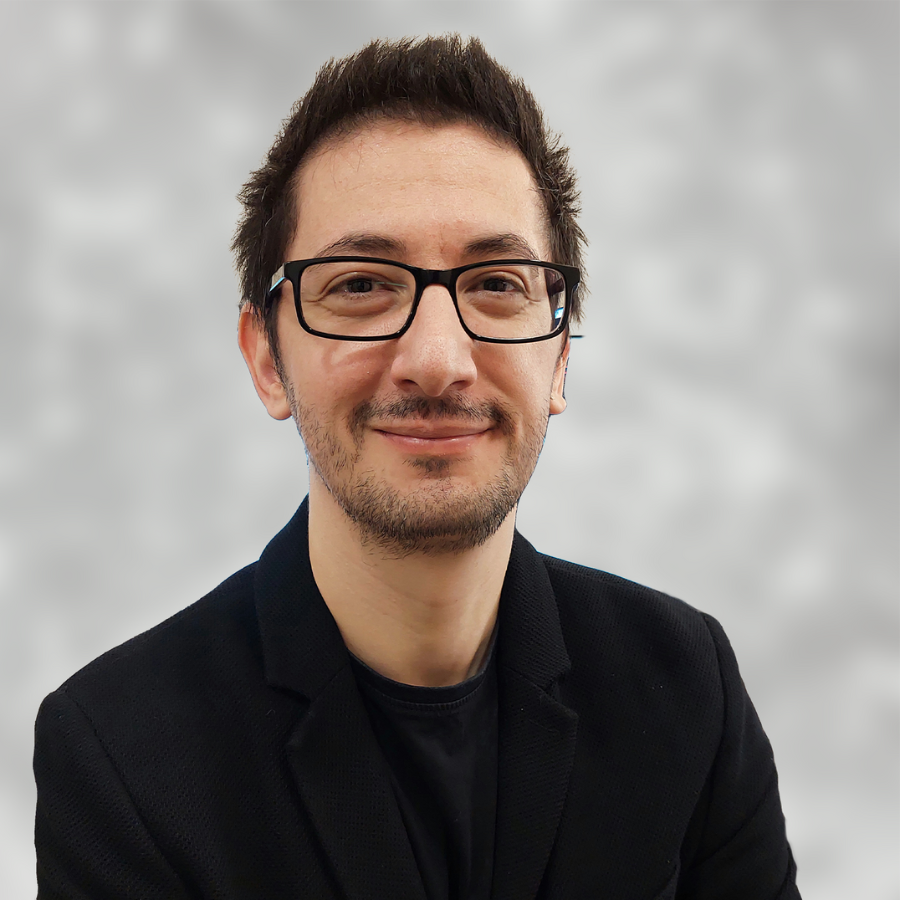
Dr Seref Arikan
Read bio
Seref is a software developer, consultant and technical lead at Ocean Informatics UK, where he has worked since 2010. He began working with openEHR in 2002 and has released open-source openEHR software since 2009. His PhD at UCL CHIME, supervised by Professor David Ingram, explored integrating openEHR with AI for clinical decision support. His current focus is implementing openEHR persistence and the AQL specifications.
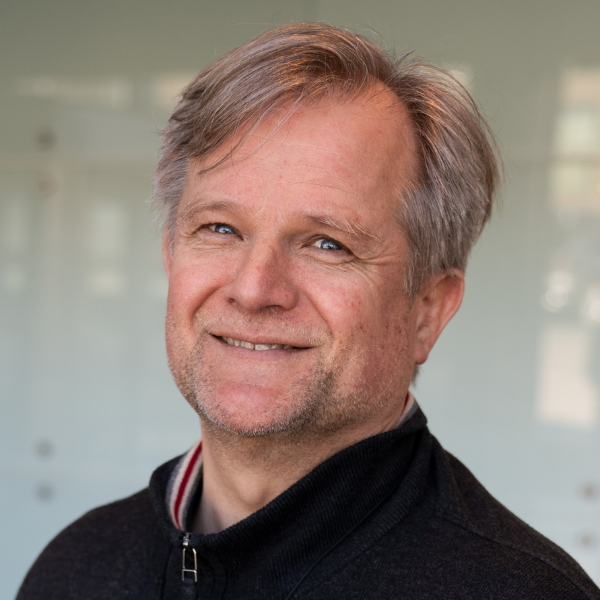
Vebjørn Arntzen
Read bio
Vebjørn is a registered nurse and informatician. He began his career as a nurse at Oslo University Hospital in 1988 and moved into its ICT department in 1996. Since 2016 he has worked half-time on Norway’s openEHR modelling, governance and training, and half-time on openEHR functionality in the DIPS Arena EHR. He has been an editor on several international CKM projects and, since early 2024, a volunteer Clinical Knowledge Administrator for the international CKM.
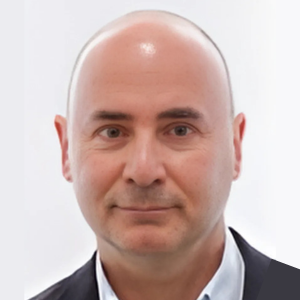
Dr Koray Atalag
Read bio
Trained as a medical doctor but an engineer at heart, Koray did his PhD in health informatics on openEHR and has almost 30 years’ experience in digital health as a developer, researcher and entrepreneur. He was a member of the first openEHR Foundation Management Board and has been heavily involved in clinical modelling and software development. After 14 years of research at the University of Auckland, he co-founded The Clinician and now runs his own consultancy, GALATA-Digital.
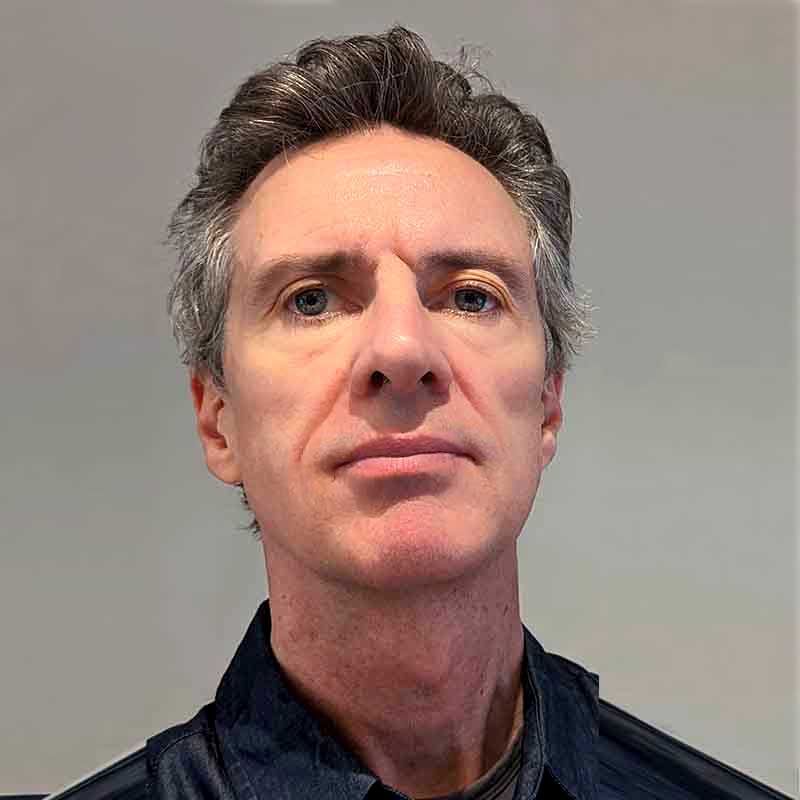
Thomas Beale
Read bio
Thomas is one of the founders of openEHR, the chief technical architect and editor of the openEHR specifications, and was co-chair of the Specifications Editorial Committee until 2023. He designed the archetype formalism (ADL), the archetype object model (AOM, now an ISO standard), the Basic Meta-Model (BMM) and much of the Task Planning and Decision Language specifications. He has consulted for health organisations and governments in Australia, the UK, the US, Brazil, Jamaica, Denmark, Sweden and Catalonia, and is VP Informatics at GraphiteHealth and a director of the openEHR Foundation.
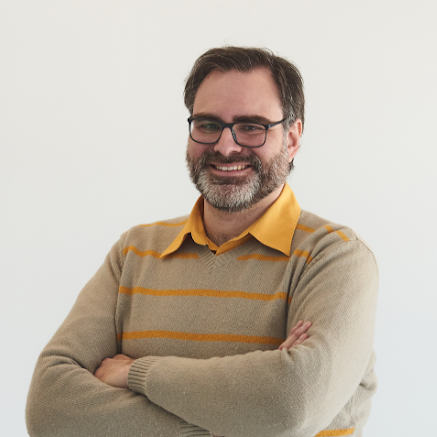
Dr Diego Boscá Tomás
Read bio
Diego is a computer engineer with a PhD from the Universitat Politècnica de València. He has designed and deployed semantically interoperable healthcare information systems using openEHR, HL7 FHIR, OMOP CDM, ISO 13606 and HL7 CDA, and clinical terminologies such as SNOMED CT and ICD-10. He is a certified specialist in HL7 CDA, HL7 FHIR and SNOMED.
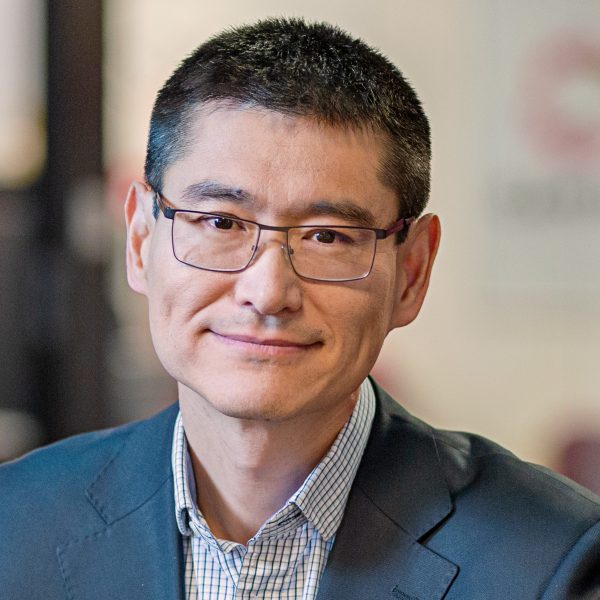
Dr Rong Chen
Read bio
Rong is Chief Medical Informatics Officer and Head of the Medical Informatics Group at Cambio Healthcare Systems in Sweden, leading research and development in clinical decision support and knowledge management. He led the Java reference implementation of openEHR, contributed to several core specifications, and is the lead author of the Guideline Definition Language (GDL). He has been co-chair of the Specifications Editorial Committee since May 2023.
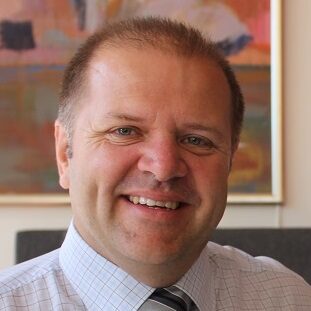
Heath Frankel
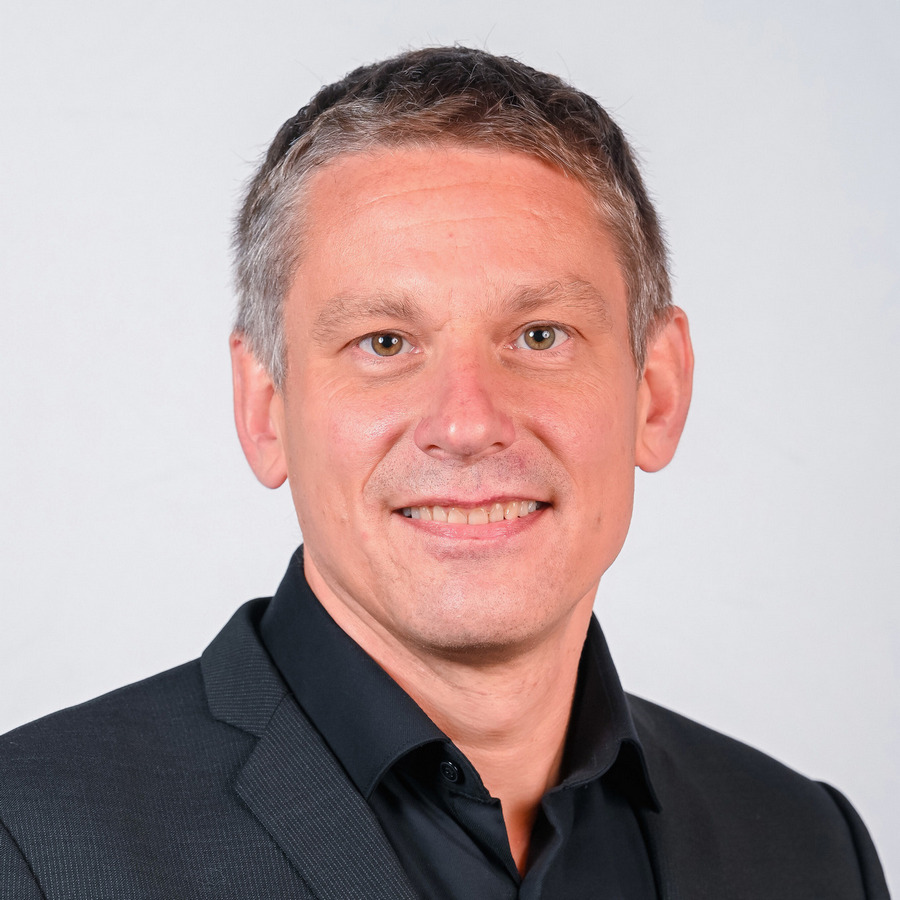
Dr Sebastian Garde
Read bio
Sebastian is a health informatician with a doctorate from the University of Heidelberg and a Foundation Fellow of the Australasian Institute of Digital Health. As Product Lead at Ocean Health Systems he is responsible for the Clinical Knowledge Manager, which grew out of his research on the governance of clinical content models. He has been involved with openEHR since 2004.
Tomaž Gornik
Read bio
Tomaž is CEO of Better and has led large teams of developers building software products for more than 30 years, with a deep understanding of software platforms, architecture, deployment and business models. He has delivered innovative turnkey solutions for large clients in telecommunications, finance and healthcare. He is co-chair of the openEHR International Board and a director of the openEHR Foundation.
Dr Birger Haarbrandt
Read bio
Birger holds a BA in Medical Information Management and an MSc in Computer Science. From 2013 to 2017 he established the Hannover Medical School Translational Research Framework (HaMSTR), combining traditional data warehousing with openEHR. He helped shape the HiGHmed consortium within Germany’s Medical Informatics Initiative and became its software architect at the Peter L. Reichertz Institute for Medical Informatics, building an open platform based on IHE, openEHR and FHIR across eight German university hospitals.
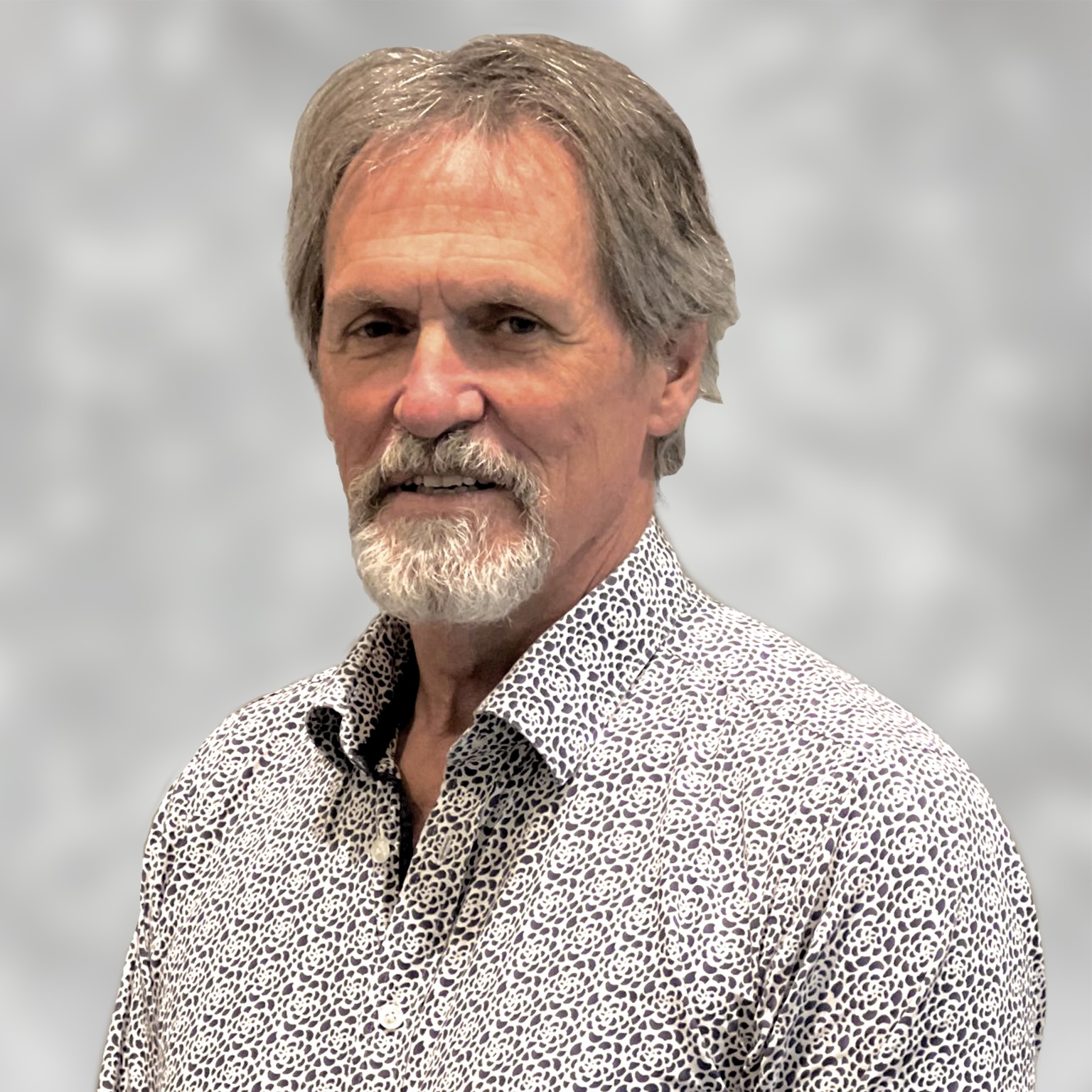
Dr Sam Heard
Read bio
Sam is a practising clinician who has worked in inner London and Australia’s Northern Territory to standardise health information, so that clinicians and patients can improve care. His work began with the Good European Health Record in the early 1990s, continued through a long collaboration with Thomas Beale and CHIME at UCL and the founding of Ocean Informatics, and led to the openEHR Foundation in 2002. He has chaired the openEHR Foundation Board since June 2023, chairs Ocean Health Systems, and was a founding co-chair of the HL7 EHR Technical Committee.
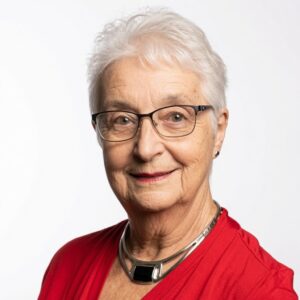
Professor Evelyn Hovenga
Read bio
Evelyn began her career as a registered nurse and retired as Professor of Health Informatics in 2007, after a 25-year career focused on standards for EHRs, semantic interoperability and terminology. She manages eHealth Education, a registered training organisation, and the not-for-profit Global eHealth Collaborative (GeHCo), and is Honorary Professor of Digital Health at Australian Catholic University and an Honorary Senior Research Associate at CHIME, University College London. She is a founder of HISA and the Australasian College of Health Informatics, and a founding fellow of the International Academy of Health Sciences Informatics.
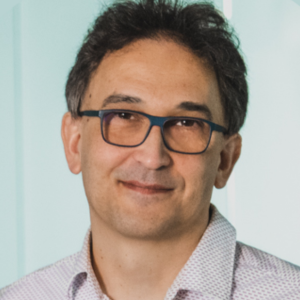
Sebastian Iancu
Read bio
Sebastian developed web-based healthcare applications in Romania and later the Netherlands, with interests in data interoperability, telemedicine and knowledge-based systems. After an engineering degree in automation and computer science, he built a new PHP-based implementation of the openEHR specifications, and in 2010 co-founded Code24 BV, where he is lead software engineer. Code24’s openEHR-based solutions, Base24 and mConsole, support more than 100,000 patients in Dutch mental healthcare. He has co-chaired the Specifications Editorial Committee since May 2020.
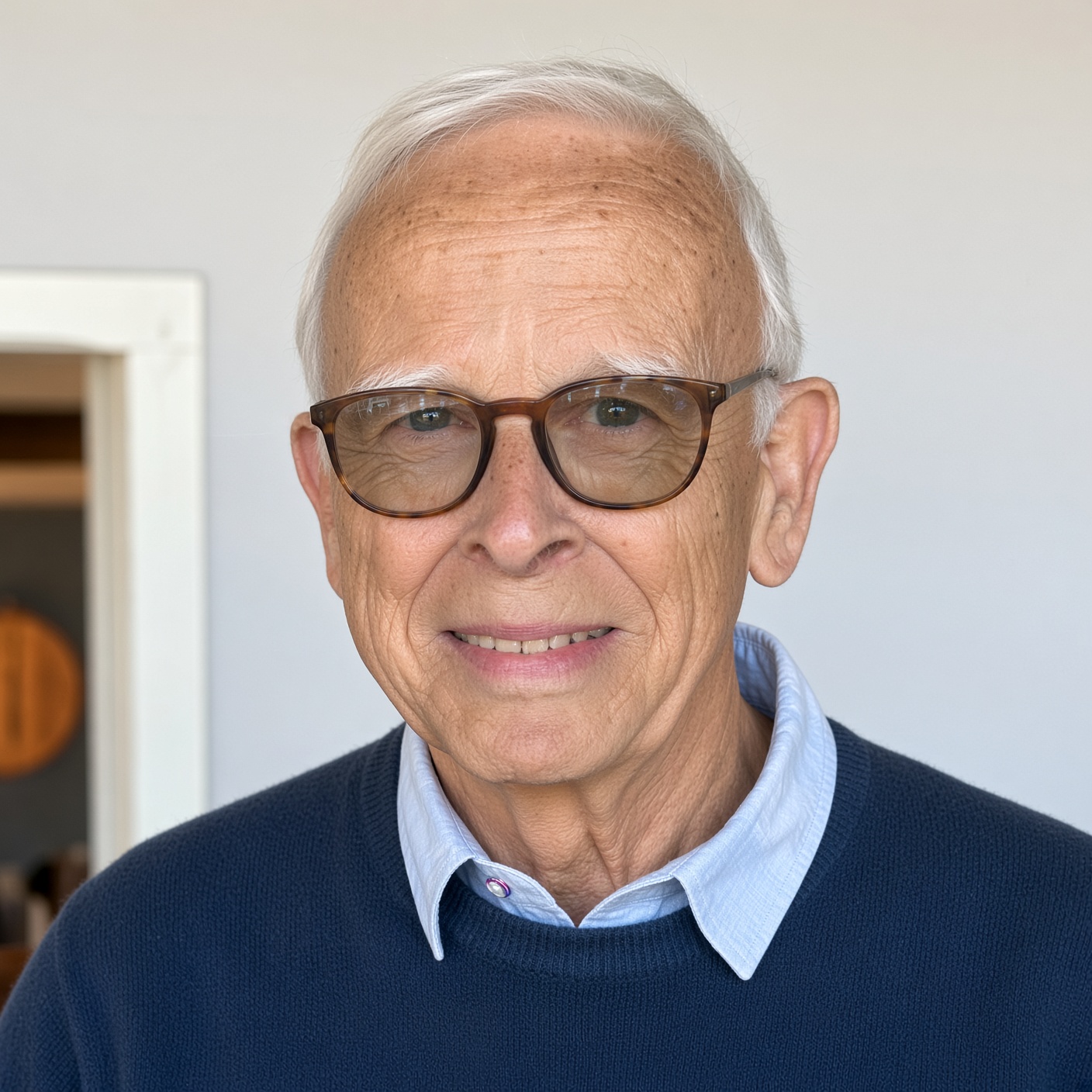
Professor David Ingram
Read bio
David is Emeritus Professor of Health Informatics at UCL, President of openEHR, and a director and past chair of the openEHR Foundation. In 1989 he was appointed to the UK’s first Chair in Medical Informatics, and in 1995 he founded UCL’s Centre for Health Informatics and Multiprofessional Education (CHIME), which he directed until 2011. He led the foundational health record research of the EU’s GEHR Project from 1991, which led to the openEHR Foundation, and was its Founding Chair from 2002 to 2012.
Professor Shinji Kobayashi
Read bio
Shinji is an associate professor in the EHR research unit at Kyoto University and a former clinical haematologist and oncologist. He launched the Japanese openEHR affiliate and leads openEHR localisation in Japan, work that is now spreading across Asia, as well as the Ruby implementation of openEHR.
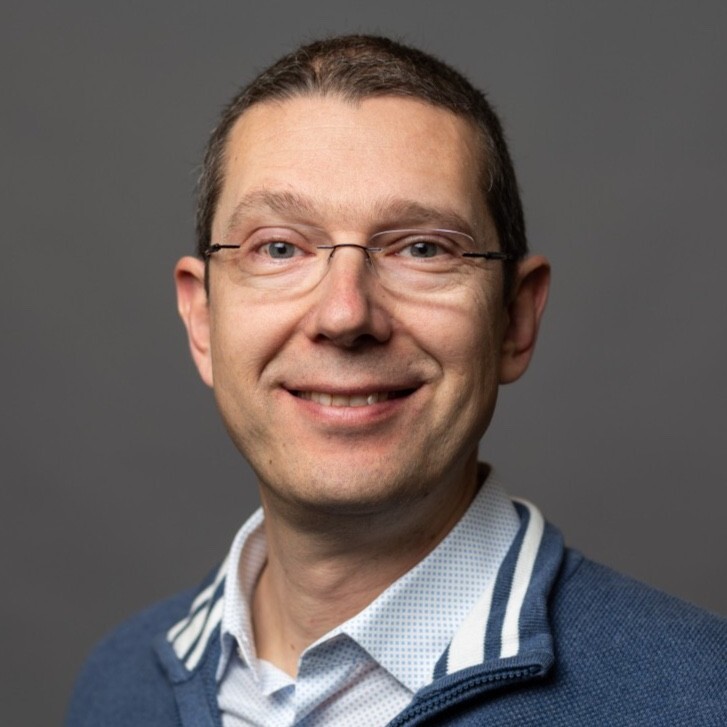
Bostjan Lah
Read bio
Bostjan is lead developer at Better (formerly Marand), where he designed, developed and implemented the Think!EHR platform, an openEHR-based health data platform for real-time storage, querying and exchange of health data. He leads a team of developers focused on high-quality, cost-effective solutions that add value for developers and end users, and is co-chair of the Specifications Editorial Committee.
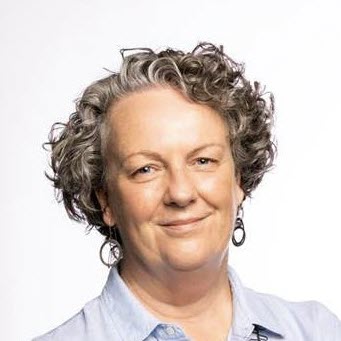
Dr Heather Leslie
Read bio
Heather is an experienced clinician informatician and openEHR International’s Chief Clinical Information Officer. She led the openEHR Clinical Modelling Program from 2008 to 2021 and administered the international Clinical Knowledge Manager until 2023. Her expertise covers clinical information modelling, clinical knowledge governance, data quality and safety, and engagement with clinicians. As principal of Atomica Informatics since 2018, she works on data standardisation in national and international eHealth programs, including logical models for Australia’s Sparked FHIR accelerator.
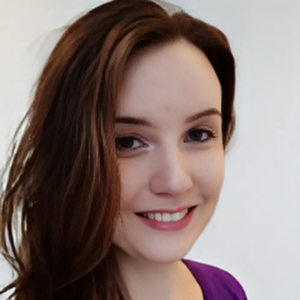
Silje Ljosland Bakke
Read bio
Silje is a registered nurse and informatician who has worked in health IT in the Norwegian hospital sector since 2009. A leading figure in Norway’s openEHR modelling, governance and training since 2013, she co-led the openEHR Clinical Modelling Program from 2014 to 2021 and was an openEHR International board member from 2015 to 2021.
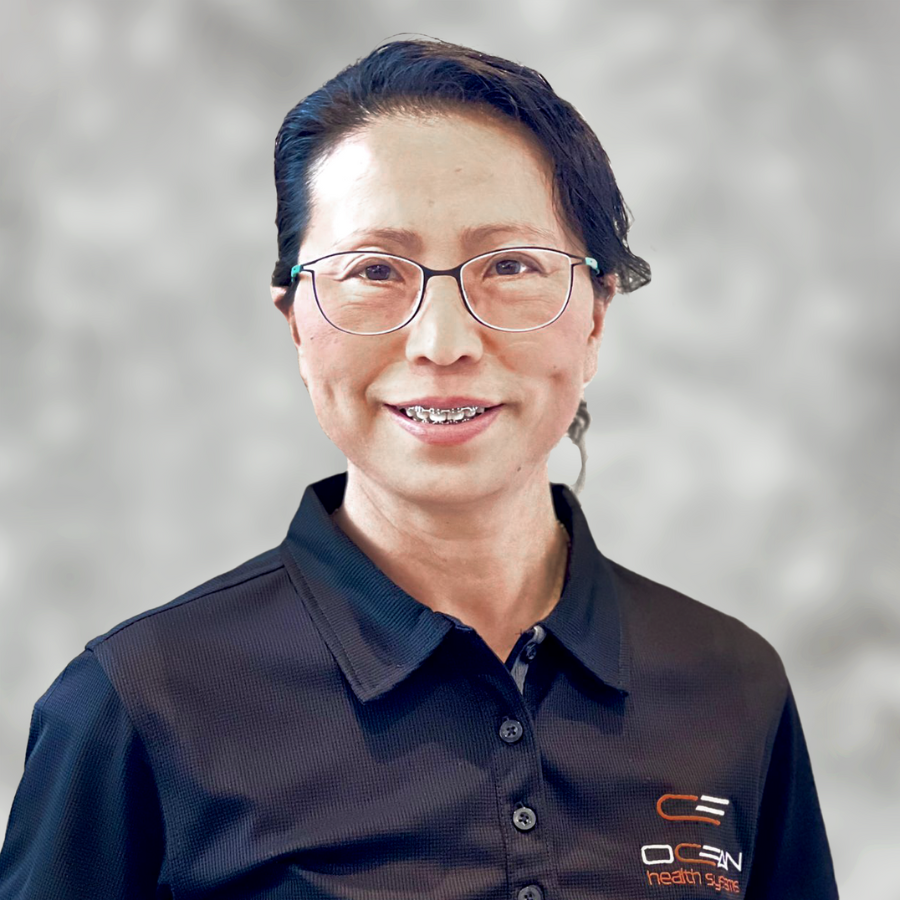
Dr Chunlan Ma
Read bio
Chunlan is a gynaecologist and obstetrician who has developed openEHR-based APIs and applications for more than 15 years, with a particular interest in openEHR data reporting. She was the lead author of the openEHR AQL specification and has worked on Reference Model implementations, template transformations, platform APIs and query engines.
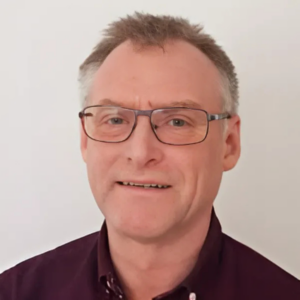
Dr Ian McNicoll
Read bio
Ian is a former Scottish GP who has worked in healthcare informatics for nearly 30 years, promoting openEHR first with Ocean Informatics and later through freshEHR, which he founded. He championed the Apperta open platform ecosystem, with openEHR at its core, and a related development platform adopted by NHS England’s Code4Health initiative. He is a director of the openEHR Foundation and a former Chair of the openEHR Management Board.
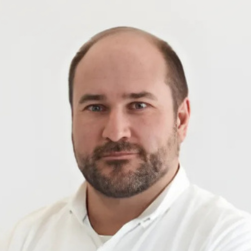
Dr David Moner
Read bio
David is a computer engineer with a PhD from the Universitat Politècnica de València and CTO of VeraTech for Health, an openEHR Industry Partner, where he consults on semantic interoperability and eHealth standards. Since 2005 he has worked with openEHR, ISO 13606, HL7 CDA, HL7 FHIR, SNOMED CT and LOINC on more than 30 projects, and has published more than 50 papers. He has taught on master’s programmes at UPV and the University of Alcalá, trained more than 500 clinical and technical professionals, and is an openEHR Recognised Educator.
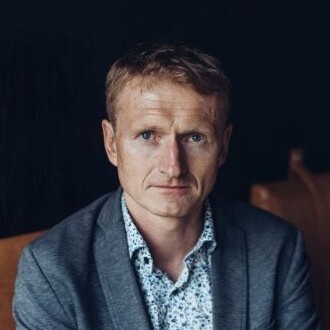
Bjørn Næss
Read bio
Bjørn has implemented openEHR systems since 2010 and has been a member of the Specifications Editorial Committee since 2015. He holds an MSc in Telecommunications from NTNU, the Norwegian University of Science and Technology, and worked as a physiotherapist before moving into e-health. At DIPS he has focused on implementing openEHR in DIPS Arena, from openEHR evangelism to specifying and building the DIPS openEHR server.
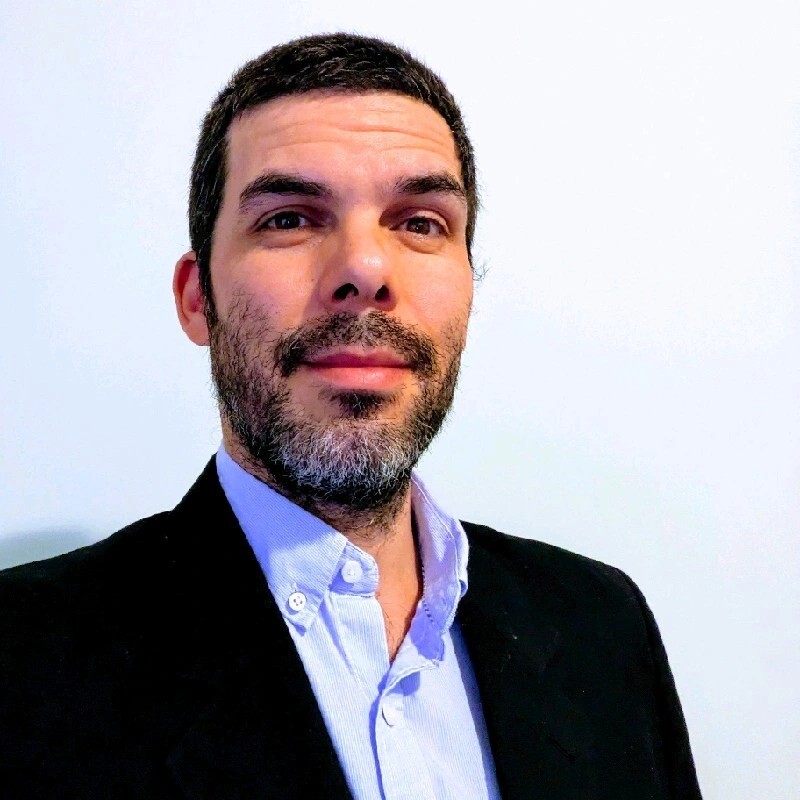
Pablo Pazos
Read bio
Pablo is a computer engineer from UdelaR, Uruguay, who has worked with health information systems, standards and interoperability since 2006, starting with an openEHR-based EHR. In 2011 he created the first full-length online openEHR course in Spanish, and he has coordinated the Spanish-speaking openEHR community ever since. He founded CaboLabs in 2012 to provide consultancy and training, is a member of the Specifications Editorial Committee and the Education Program Board, and promotes openEHR across Latin America.
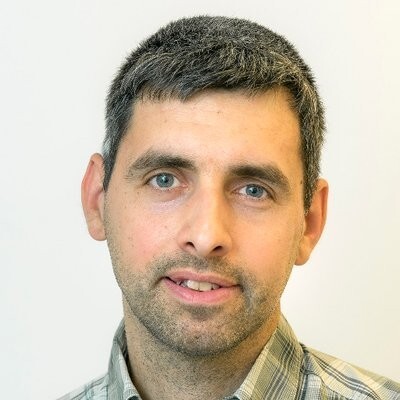
Dr Erik Sundvall
Read bio
Erik has an MSc in Information Technology and a PhD in Medical Informatics from Linköping University, Sweden, and is an Information Architect at Karolinska University Hospital. His work includes an openEHR-based educational EHR system at Linköping University and a scalable, REST-based design that makes it easier to build openEHR systems from components by different projects and vendors. He has supervised many student projects, including one that produced the first openEHR archetype editor in Java.
2025 fellows
Members of the first Fellowship cohort.
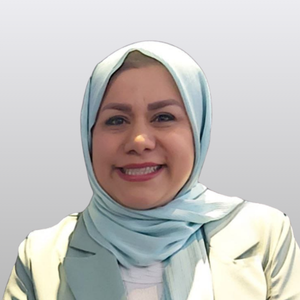
Dr Somayeh Abedian
Read bio
Somayeh is a health informatics executive and researcher with more than 18 years’ experience in health information systems and interoperability standards. She began working with openEHR in 2008 and spent over 17 years at the eHealth centre of Iran’s Ministry of Health, helping design the national openEHR-based EHR infrastructure. She is an adjunct faculty member at the University of Toronto and a Senior Researcher at the Ludwig Boltzmann Institute for Digital Health and Prevention in Austria.
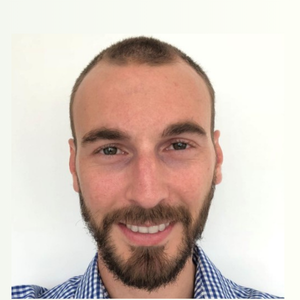
Ian Bennett
Read bio
Ian is a Product Specialist at Better, where he has supported openEHR projects for three years. A former NHS pharmacist, he brings a practical understanding of clinical workflows to data modelling and openEHR strategy. His fellowship focuses on reusable artefacts, such as data governance strategies, that support scalable openEHR implementations.
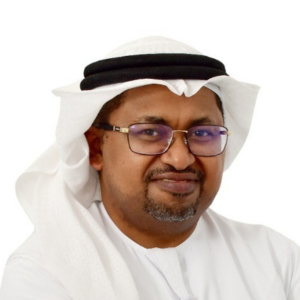
Dr Osama Elhassan
Read bio
Osama is a digital health leader and Chairperson and Co-Founder of ZIMAM, promoting digital health across the Middle East, and a 2025 HIMSS Changemaker in Health. Through the fellowship he aims to establish an openEHR Middle East Chapter and support knowledge transfer across clinical, technical and governance domains.

Dr Lars Fuhrmann
Read bio
Lars is a resident ophthalmologist focused on the usability and interoperability of healthcare IT in ophthalmology, using FHIR and openEHR. His goal is to advance standardised data models in ophthalmology to improve data exchange and clinical outcomes.
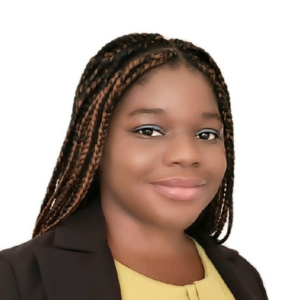
Nicola Hall
Read bio
Nicola is a Consultant Epidemiologist supporting Jamaica’s Ministry of Health and Wellness in developing an electronic surveillance system. Since 2019 she has worked with local experts on clinical modelling with openEHR templates, and she aims to strengthen health systems and public health planning through digital health.

Dr Martin Koch
Read bio
Martin is a clinical knowledge modeller and Clinical Knowledge Administrator (CKA) for CatSalut’s CKM. With a background in biomedical engineering, he has worked on hardware and software in medical technology at every stage of product creation, from in-vitro studies to clinical trials and regulatory compliance. Now focused on public-sector interoperability, he has also lectured at a university of design and engineering. Through the fellowship he aims to build scalable openEHR tools for a more connected health ecosystem.
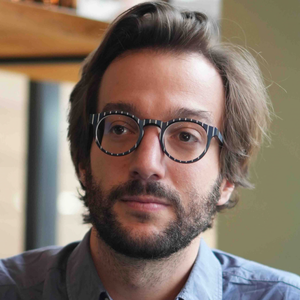
Dr Xabier Michelena Vegas
Read bio
Xabier is a rheumatologist (MD, PhD) and Clinical Informatics Lead of the Digital Health Strategy at CatSalut. He began working with openEHR in 2022 at Vall d’Hebron Hospital, where he led innovation projects, piloted openEHR for primary-use registries, deployed EHRbase and explored ETL strategies aligned with OMOP. At CatSalut he works on a unified, consensus-driven approach to structuring EHRs and orchestrating care processes across healthcare networks.
How to apply
Applications for this year’s Fellowship are closed. The next round will be announced on the openEHR blog and on Discourse.
If you’d like to hear when applications open, or you’re interested in becoming a senior fellow or supervisor, email the openEHR team.
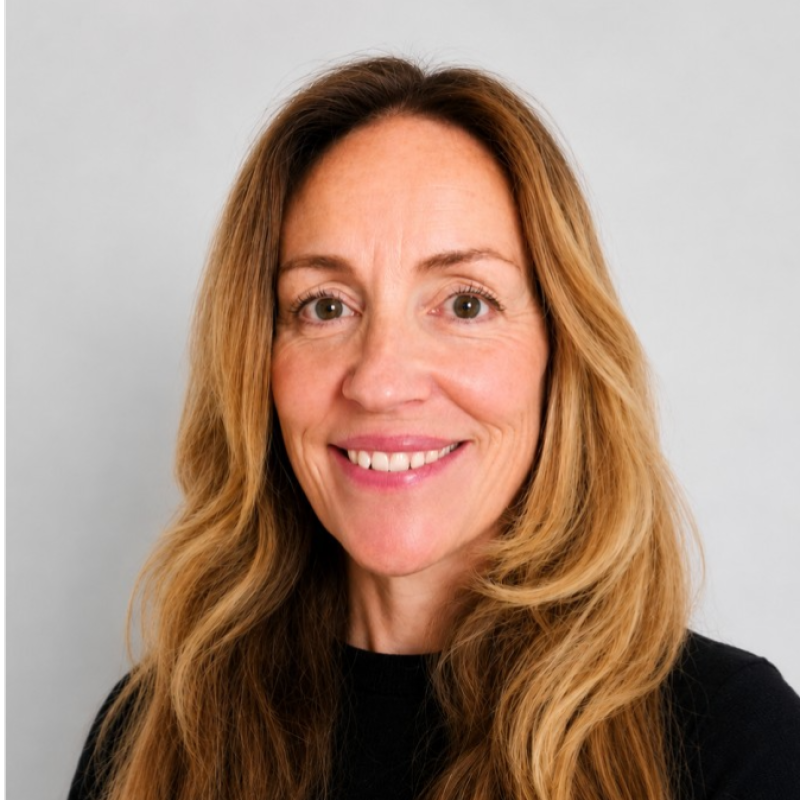
Questions about the Fellowship?
Abigail Bouvier leads the openEHR Fellowship Program. Contact Abigail
Keep exploring
- Education Program
Recognised educators and openEHR training.
- Clinical Program
The shared library of clinical models.
- Specifications Program
The openEHR specifications.
- Software Program
Open-source software built on the specifications.