
Specifications Program
Led by the Specifications Editorial Committee (SEC)
The team that designs and maintains the openEHR specifications: the open technical standard every openEHR system is built on.
What the Specifications Program does
The Specifications Program develops, manages and maintains the openEHR specifications and their computable expressions, so that anyone can build open, interoperable and computable patient-centric health information systems.
All specifications are openly available and free to use.
- Develop new specifications as the community needs them, and accept and adapt donated ones.
- Maintain a coherent library that meets the needs of system builders, data users (including patients) and organisations.
- Protect clinical data by keeping data created under earlier releases valid.
- Support widely used technologies, including major programming languages and frameworks.
- Work with formal standards bodies to make standards more coherent, robust and affordable to use.
How it works
The program is managed by the Specifications Editorial Committee (SEC), supported by an Expert Panel.
The specifications are organised into components, each a separately releasable set of specifications on one topic, such as the Reference Model, the Archetype Model, Querying, Conformance and CDS. The current list is on the specifications home page.
Each specification moves through the lifecycle states Planned, Development, Trial, Stable and Retired.
Governance
The Specifications Program is governed by its Terms of Reference.
How a change happens
- 1. Problem Report
Anyone using the specifications can raise a Problem Report (PR) on the component’s tracker.
- 2. Change Request
The resulting changes are documented as Change Requests (CRs) and worked through by the SEC.
- 3. Release
Changes are released following the release strategy, with breaking changes only in major releases.
Our quality principles
- Clear scope
- Every specification says which use cases and situations it’s for.
- Modularity
- Specifications are organised into loosely coupled components, so they can be deployed incrementally and changes stay contained.
- Design
- Specifications are designed, not written by committee. They’re based on documented requirements, a clear design philosophy, and evidence from real implementations, clinical data and use cases.
- Coherence
- All specifications are compatible and form a coherent whole.
- Comprehensibility
- Specifications must be understandable to someone with the right general skills, and complexity is consciously managed.
- Clarity
- Particular effort goes into avoiding misinterpretation, misuse and inconsistent use.
- Computability
- Formal models and languages have a computable expression for tools, with the same meaning as the documents.
- Implementability
- Formal specifications have expressions in implementation technologies such as XML Schema, even where these can only express part of a specification.
- Change management
- Specifications follow industry norms for versioning and releases, including semver.org. Breaking changes go into major releases after careful impact assessment.
Get involved
Report a problem
Found an issue in a specification? Raise a Problem Report on the relevant component’s tracker.
Go to the specificationsJoin the discussion
Follow and contribute to specification discussions with the community.
Specifications forumBecome a member
Members can nominate and be nominated for program boards and help shape openEHR.
Join openEHR
The Specifications Editorial Committee (SEC)
Co-Chairs
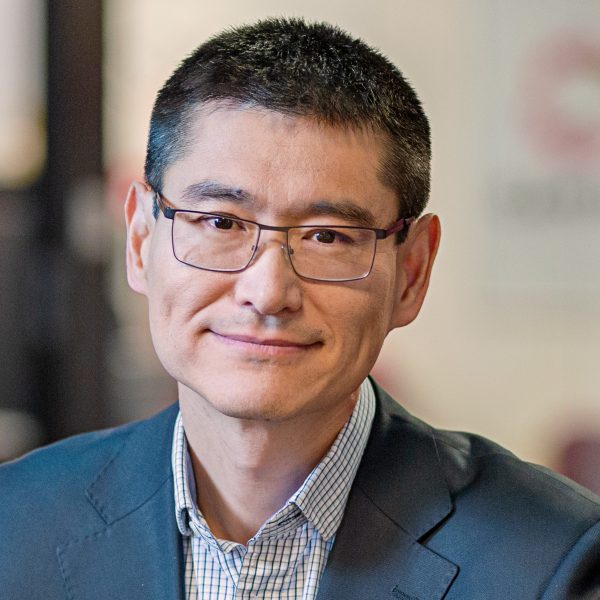
Dr Rong Chen
Co-Chair
Read bio
Rong is Chief Medical Informatics Officer and Head of the Medical Informatics Group at Cambio Healthcare Systems in Sweden, where he leads research and development in clinical decision support and knowledge management. He has more than two decades of experience in health informatics and a PhD from Linköping University on EHR semantic interoperability, and is an associated researcher at Karolinska Institutet, where he teaches and supervises graduate students. A long-time contributor to openEHR, he led the Java reference implementation, played a key role in defining core specifications, and is the lead author of the Guideline Definition Language (GDL). He has been co-chair of the Specifications Editorial Committee since May 2023.
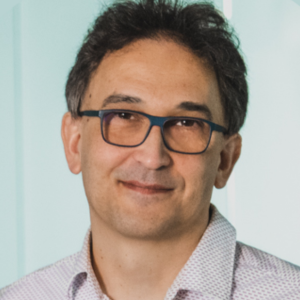
Sebastian Iancu
Co-Chair
Read bio
Early in his career, Sebastian developed complex web applications for healthcare in Romania and then the Netherlands, with interests in data interoperability, telemedicine and knowledge-based systems. After an engineering degree in Automation and Computer Science, he built a new PHP-based implementation of the openEHR specifications. In 2010 he co-founded Code24 BV, where he has been lead software engineer ever since. Code24’s openEHR-based solutions (Base24, mConsole) support more than 100,000 patients and their care providers in Dutch mental healthcare. He has been a co-chair of the Specifications Editorial Committee since May 2020.
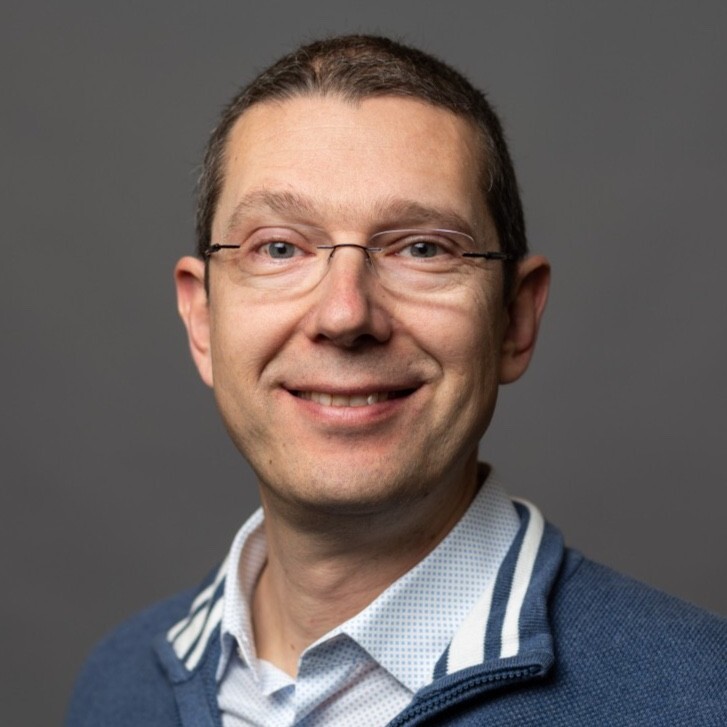
Boštjan Lah
Co-Chair
Read bio
Boštjan has been lead developer on the design, development and implementation of Better’s openEHR platform (formerly Think!EHR), a health data platform for real-time, transactional storage, querying, retrieval and exchange of health data. He leads a team of developers delivering high-quality, cost-effective solutions that add value for developers and end users.
Members
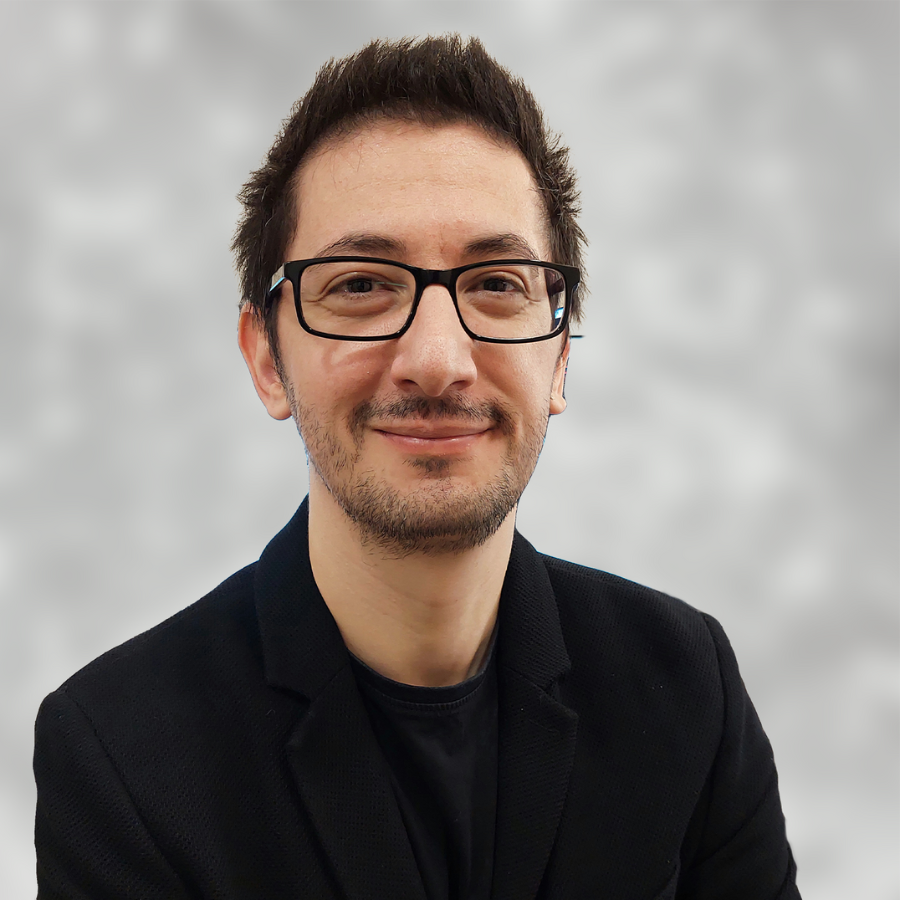
Dr Seref Arikan
Read bio
Seref is a software developer, consultant and technical lead at Ocean Informatics UK, where he has worked since 2010. He began working with openEHR in 2002 and has released open-source openEHR software since 2009. His PhD at UCL CHIME, supervised by Professor David Ingram, explored integrating openEHR with AI for clinical decision support. He has contributed to the Specifications Editorial Committee since 2018. With a background in B2B and B2C systems and deep expertise in analytics, persistence, scalability and clinical platforms, his current focus is implementing openEHR persistence and the AQL specifications.
Thomas Beale
Read bio
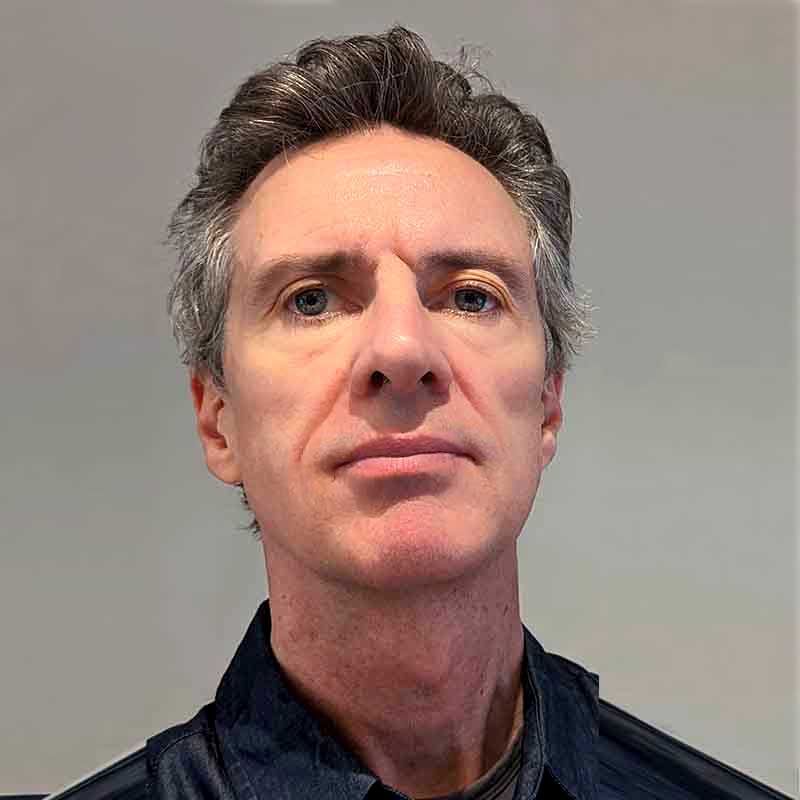
Thomas is one of the founders of openEHR, the chief technical architect and editor of the openEHR specifications, and was co-chair of the Specifications Editorial Committee until 2023. He has taken part in international standards work (OMG HDTF, HL7, CEN TC/251) for many years. He designed the archetype formalism (ADL), the archetype object model (AOM, now an ISO standard), the Basic Meta-Model (BMM) and much of the Task Planning and Decision Language specifications. He has consulted for Intermountain Healthcare, the US Department of Veterans Affairs and public agencies in Australia, the UK, Brazil, Jamaica, Denmark, Sweden and Catalonia. Thomas is VP Informatics at GraphiteHealth.
Diego Boscá Tomás
Read bio
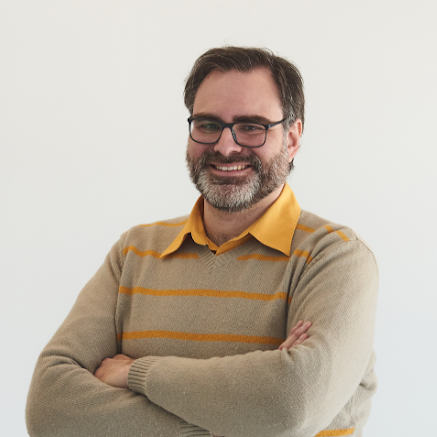
Diego is a computer engineer with a PhD from the Universitat Politècnica de València. He has analysed, designed, implemented and deployed semantically interoperable healthcare information systems using openEHR, HL7 FHIR, OMOP CDM, ISO 13606 and HL7 CDA, and clinical terminologies such as SNOMED CT and ICD-10. He is a certified specialist in HL7 CDA, HL7 FHIR and SNOMED.
Dr Sebastian Garde
Read bio
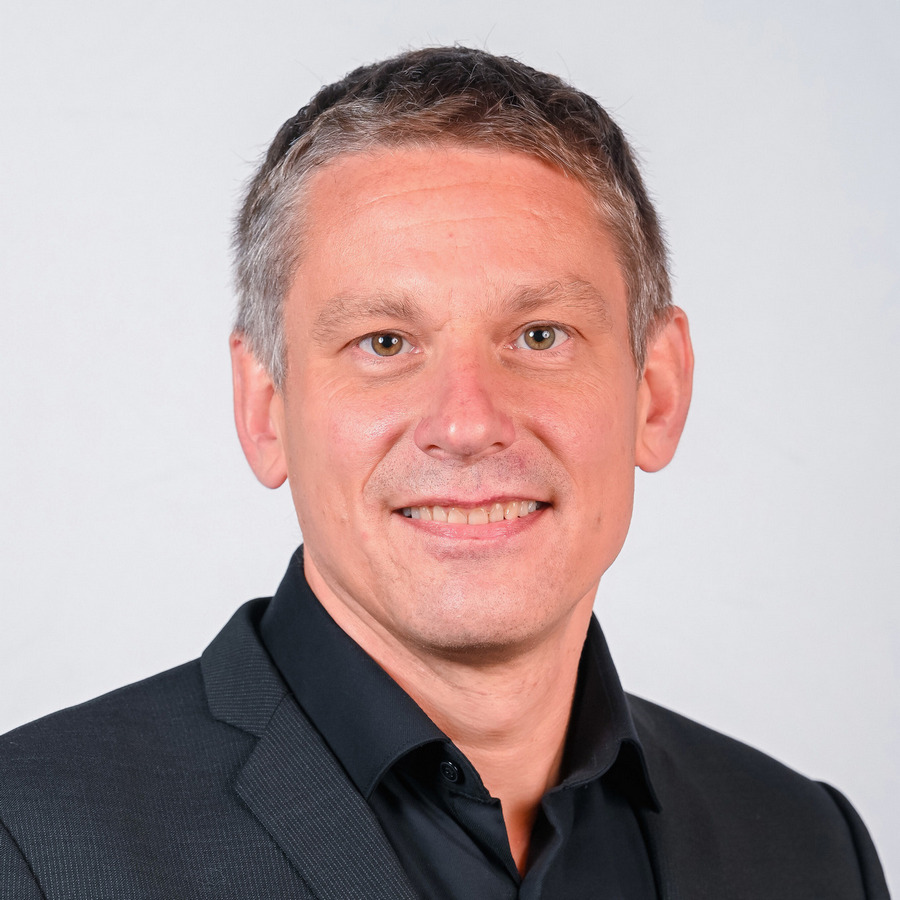
Sebastian is a health informatician with a doctorate from the University of Heidelberg and a Foundation Fellow of the Australasian Institute of Digital Health. As Product Lead at Ocean Health Systems he is responsible for the Clinical Knowledge Manager (CKM), which grew out of his research on the governance of clinical content models at CQUniversity Australia. He has been involved with openEHR since 2004.
Birger Haarbrandt
Read bio
Birger holds a BA in Medical Information Management and an MSc in Computer Science. From 2013 to 2017 he established the Hannover Medical School Translational Research Framework (HaMSTR), exploring how openEHR could enhance traditional data warehousing. He previously worked on a regional health network in Lower Saxony based on IHE XDS, and as a software developer for CGM MEDISTAR. He helped shape the HiGHmed consortium’s bid to Germany’s Medical Informatics Initiative and, from January 2018, worked in HiGHmed as a software architect at the Peter L. Reichertz Institute for Medical Informatics, building an open platform based on IHE, openEHR and FHIR across eight German university hospitals.
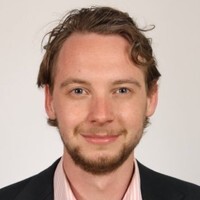
Dr Joost Holslag
Read bio
Joost trained as a medical doctor at the University of Groningen in the Netherlands and has clinical experience in (neuro)surgery and elderly care. He works at Nedap as a clinical informatician focused on elderly care, and continues to see patients so his clinical input stays current. His interests are information modelling, multidisciplinary collaboration, interoperability and improving the clinician experience.
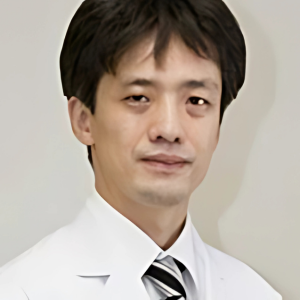
Shinji Kobayashi
Read bio
Shinji is an associate professor in the EHR research unit at Kyoto University. He has worked as a clinical haematologist and oncologist and researches clinical informatics. He launched the Japanese openEHR affiliate and leads openEHR localisation in Japan, as well as the Ruby implementation of openEHR. This localisation work is now spreading across Asia.
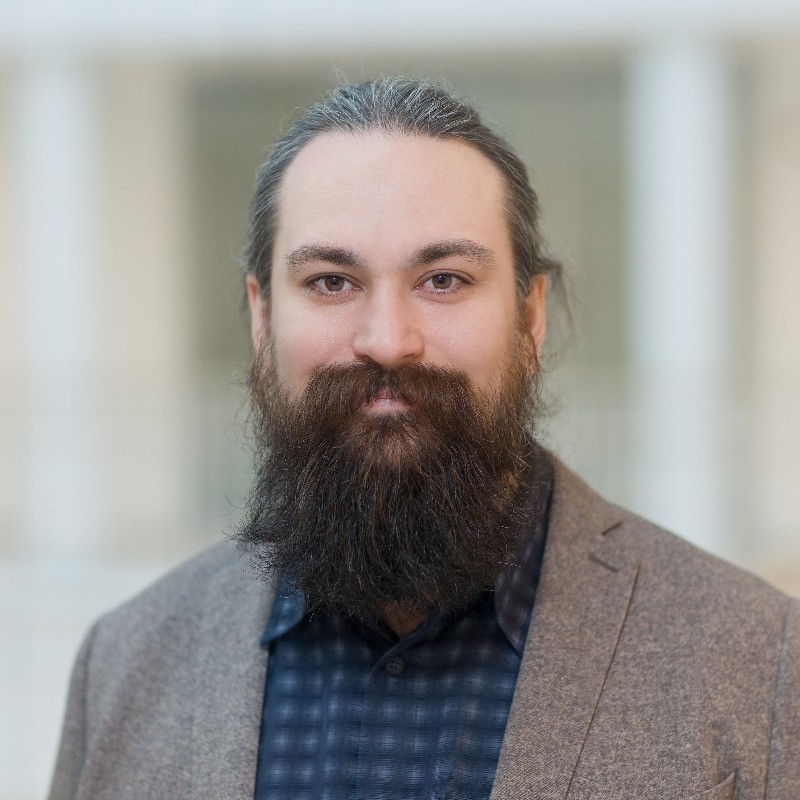
Severin Kohler
Read bio
Severin is a health informatician who takes part in medical informatics projects including HiGHmed and the NUM project, and contributes to shaping industry standards through the Specifications Editorial Committee.
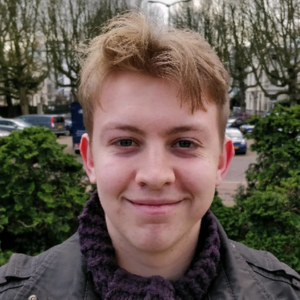
Mattijs Kuhlmann
Read bio
Mattijs is a software developer at Nedap Healthcare, where he is technical lead of his team.
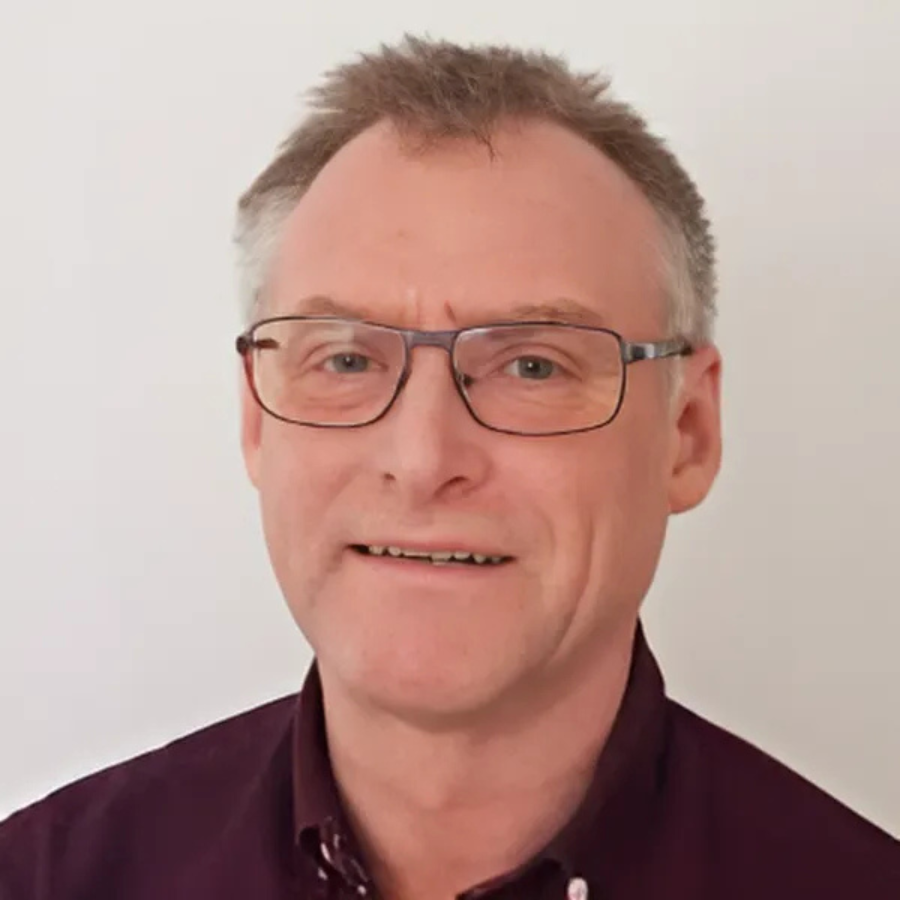
Dr Ian McNicoll
Read bio
Ian is a former Scottish GP who has been involved in healthcare informatics for nearly 30 years, working with and promoting openEHR, first with Ocean Informatics and later as an independent consultant. He is a Director of the openEHR Foundation Board, a previous Chair of the openEHR Management Board, and was a Director of the International Board from March 2019 to November 2022.
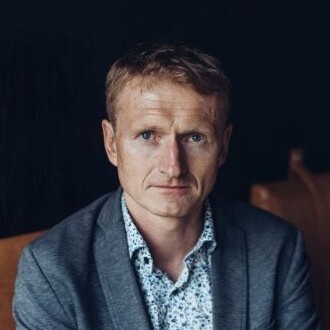
Bjørn Næss
Read bio
Bjørn has implemented openEHR systems since 2010 and has been a member of the Specifications Editorial Committee since 2015. He believes an open platform approach, and the openEHR community, are the best way to achieve the better health data needed for better healthcare and research. He has an MSc in Telecommunications from NTNU, and worked as a physiotherapist before that. His e-health career began with a national booking system for medical services in Norway, followed by work on integration and interoperability. More recently he has focused on implementing openEHR in DIPS Arena, the next generation of the DIPS EHR, including the specification and implementation of the DIPS openEHR server.
Matija Polajnar
Read bio
After a PhD in data mining at the University of Ljubljana and a spell at an insurance company’s software division, Matija joined Better (then Marand) in 2014. He began in the team building end-user products on Better’s openEHR platform, moved to the platform development unit as a software architect and developer in 2017, and has been the team’s technical lead since 2020.
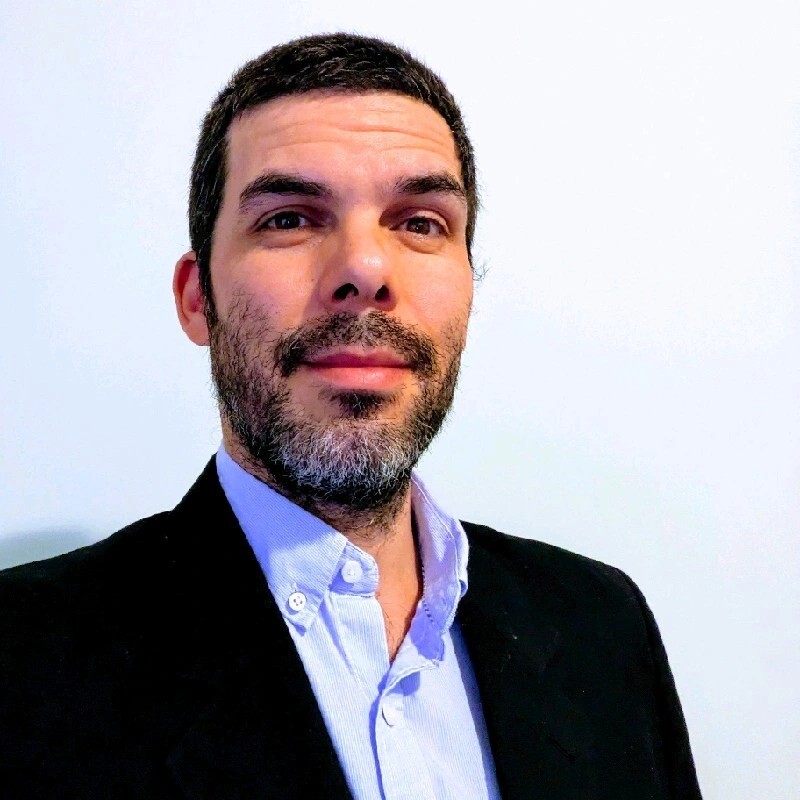
Pablo Pazos Gutiérrez
Read bio
Pablo has a Computer Engineering degree from the University of the Republic (UdelaR), Uruguay, and has worked with health information systems, standards and interoperability since 2006, when his first eHealth project, an openEHR-based EHR, brought him into the community. In 2011 he created the first full-length online openEHR course in Spanish, and he has coordinated the Spanish-speaking openEHR community since. In 2012 he founded CaboLabs, which provides consultancy and training in health information systems, standards and interoperability. He is heavily involved in openEHR software development and in spreading openEHR across Latin America with the Chilean Association of Health Informatics (ACHISA).
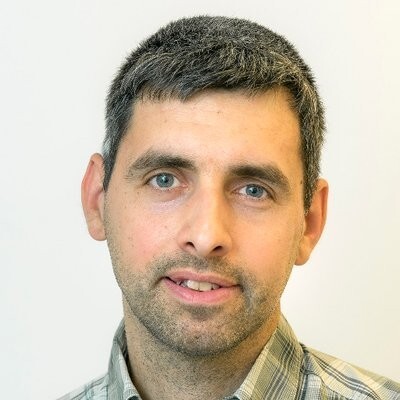
Dr Erik Sundvall
Read bio
Erik has an MSc in Information Technology and a PhD in Medical Informatics from Linköping University, Sweden. His recent work ties things together through an openEHR-based educational EHR system (LiU EEE), which provides a reusable patient overview and tests a scalable, REST-based openEHR component design that makes it easier to deploy openEHR systems from different vendors’ components. He has supervised many student projects and MSc theses, including one that led to the first openEHR archetype editor in Java.
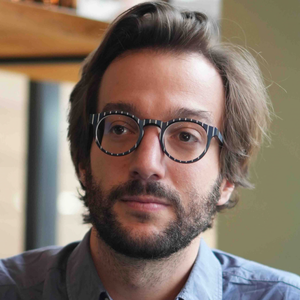
Dr Xabier Michelena Vegas
Read bio
Xabier is a rheumatologist (MD, PhD) and Clinical Informatics Lead of the Digital Health Strategy at CatSalut. He began working with openEHR in 2022 at Vall d’Hebron Hospital, where he led innovation projects and piloted openEHR for primary-use registries, deployed EHRbase and explored ETL strategies aligned with OMOP. At CatSalut he works with an expert clinical modelling team on a unified, consensus-driven approach to structuring EHRs and orchestrating care processes across healthcare networks.
Expert Panel
Specialists who support the committee’s work.
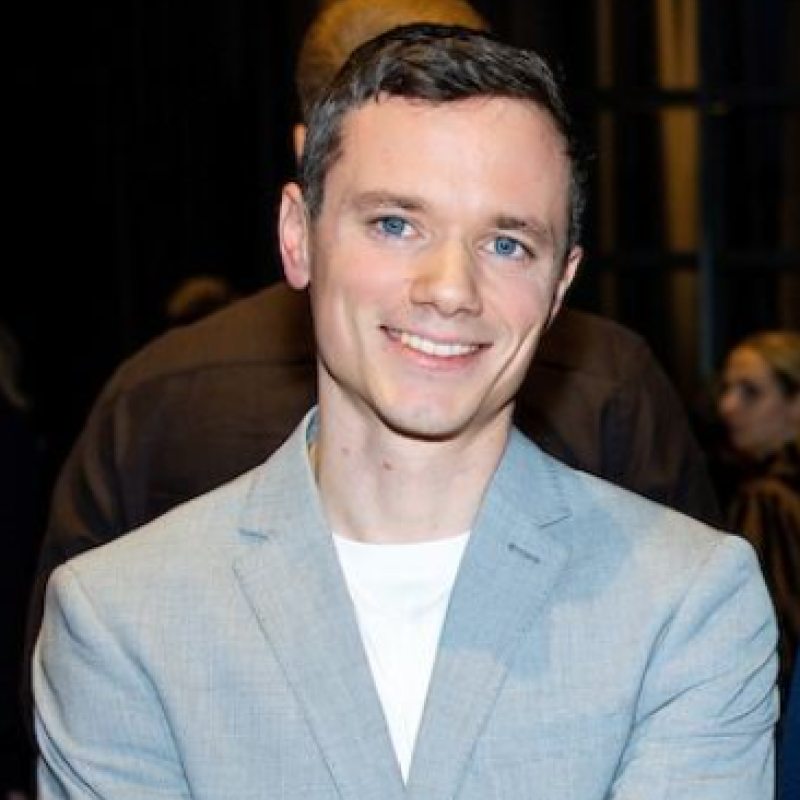
Gašper Andrejc
Read bio
Gašper is a Ljubljana-based health IT professional and founder of openFHIR, specialising in FHIR architectures and backend reliability. He combines software engineering expertise with strong technical writing, and his work spans APIs, integration workflows and validation practices, focusing on scalable, vendor-neutral systems that align interoperability with robust, future-ready data models.
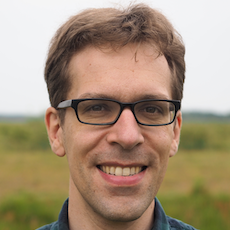
Pieter Bos
Read bio
Pieter has an MSc in computer science from the University of Twente and joined Nedap Healthcare in 2007, where he led the growth of a small time-registration app into a full elderly care suite, including an EHR. He is now responsible for the teams that build the administrative and financial parts of the Nedap EHR. In 2015 he introduced openEHR at Nedap. Finding that ADL 2 had clear advantages but lacked tooling, Nedap built its own and released it as the open-source library Archie, which Pieter maintains. Archie now underpins archetype editors, CDRs and client applications, with an international community of users and contributors. Pieter also led the development of an ADL 2 archetype editor based on Archie.
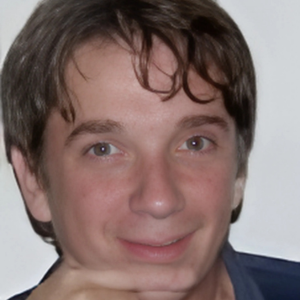
Christian Chevalley
Read bio
Christian is R&D manager at ADOC Software Development, with over 30 years’ experience in software design, development, data centre architecture and IT security across finance, manufacturing, telecoms and healthcare. He specialises in distributed networked systems on UNIX/Linux and mainframes. He has focused on healthcare systems for many years, including point-of-care management for aged and acute care, telemedicine and care flow, and has developed the openEHR-based EtherCIS platform, including an open-source openEHR server, since 2010.
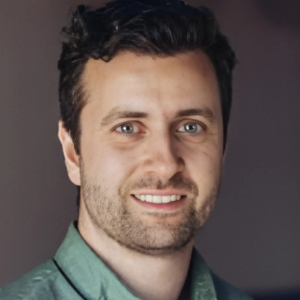
Kjetil Jørgensen
Read bio
Kjetil is a product owner at DIPS ASA in Norway.

Borut Jures
Read bio
Borut spent many years as a software architect and implementer of ERP systems before ‘accidentally’ finding openEHR. Since then he has built openEHR code generators, an ADL converter, an OPT data synthesiser and a FHIR-to-openEHR data mapping tool, and researched BPMN for clinical pathways. He now works on storing openEHR’s two-level modelled data in existing databases and letting users query it with SQL.
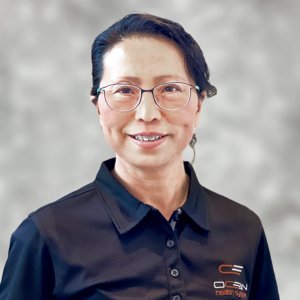
Dr Chunlan Ma
Read bio
Chunlan is a gynaecologist and obstetrician who has developed openEHR-based APIs and applications for more than 15 years, with a particular interest in openEHR data reporting. She was the lead author of the openEHR AQL specification and has worked on an openEHR Reference Model implementation in C#, the RM schema, template-to-OPT transformation, HL7-to-openEHR transformation, and openEHR platform APIs and query engines. Her PhD, from the University of South Australia, was in computer-based patient education.
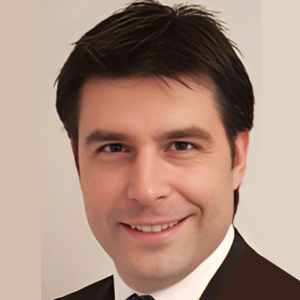
Dr Luis Marco-Ruiz
Read bio
Luis is a data engineer at the HiGHmed consortium, focusing on the adoption of information standards and terminologies for clinical data reuse and clinical decision support. He holds an MSc in Applied Statistics and a PhD in Health Science. Since 2007 he has worked as a developer, adviser and researcher on projects in Norway, Germany, the UK and Spain. At the Norwegian Centre for E-health Research, which he joined in 2013, he develops national data reuse infrastructures and advises Norwegian health authorities on clinical information standards and biomedical ontologies. He is also a semantic interoperability specialist at the Peter L. Reichertz Institute for Medical Informatics at Hannover Medical School, building HiGHmed’s cross-institutional data reuse network.
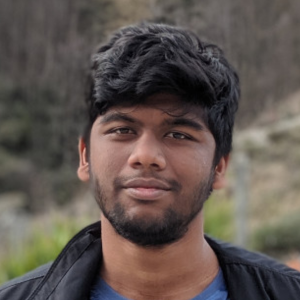
Dr Sidharth Ramesh
Read bio
A doctor by training but a developer at heart, Sidharth founded Medblocks in 2015, which serves customers around the world. Medblocks provides Medblocks UI, an open-source library for building openEHR interfaces, and Medblocks Stack, open-source backend services for building openEHR and FHIR applications, as well as consulting on openEHR, SNOMED CT and FHIR.

Jake Smolka
Read bio
Jake has worked with openEHR since his studies. From 2018 to 2021 he worked at Hannover Medical School as part of HiGHmed, contributing to the development of EHRbase, and joined the SEC Expert Panel in April 2020. He then joined Better and designed the first version of the FHIR Connect specification. Since January 2024 he has been part of vitagroup’s integration team, improving compatibility and mapping between FHIR, HL7 v2 and openEHR.
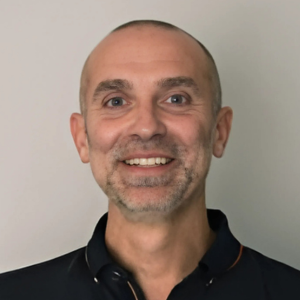
Renaud Subiger
Read bio
Renaud is a solutions architect with a passion for digital health and interoperability, who has designed and built systems in the Java ecosystem for over 17 years. Since 2016 he has worked on major healthcare projects including MyHealth@EU, NUM-CODEX and SiNCP, and taken part in IHE Connectathons, giving him wide knowledge of FHIR, openEHR, IHE profiles and DICOM. He contributes to the HAPI FHIR and EHRbase projects.
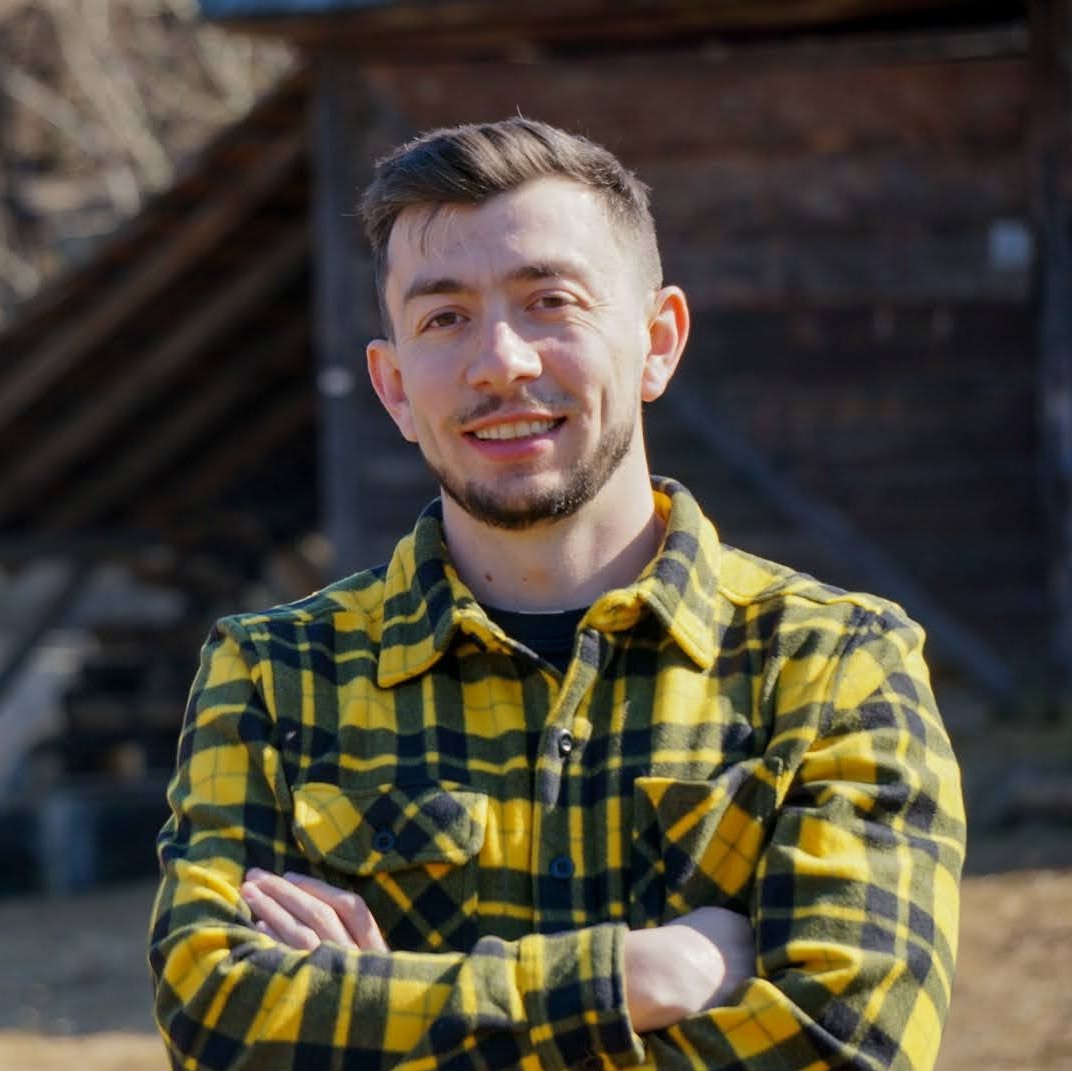
Alexandru Vidrean
Read bio
Alexandru is a developer at heart who has worked in health tech for almost a decade. Based in Romania, he joined the EHRbase project as Product Owner in 2022, helping the team extend EHRbase across open-source and enterprise use. He joined the SEC Expert Panel in May 2023, driven by his belief in the power of open standards in healthcare.
Resources
- Specifications site
The full openEHR specifications, free to read and implement.
- Development baseline
The current components, with links to their PR and CR trackers.
- Change process
How changes to the specifications are managed.
- Release strategy
How releases are planned to minimise disruption.
- Terms of Reference (PDF)
How the Specifications Program is governed.
- openEHR on GitHub
Specification sources and computable artefacts.
Other openEHR programs
- Clinical Program
The shared library of clinical models: archetypes, templates and terminology subsets.
- Education Program
Recognised educators and the skills the world needs to adopt openEHR.
- Software Program
Open-source platform components and tools built on the specifications.