
How openEHR is run
openEHR is owned and run by its community, not by any company. Here’s who does what, who leads it, how you can take part, and how everything openEHR publishes stays free to use.
Two organisations, one community
openEHR has two UK not-for-profit organisations. One owns the intellectual property and keeps it open. The other runs everything day to day, and is controlled by its members.
Members
Individuals, professionals, companies and organisations who subscribe to openEHR.
Elect directors to the CIC Board every two years →openEHR International
The openEHR Community Interest Company (CIC), a not-for-profit, member-owned company that has run openEHR day to day since 10 May 2019.
- Runs the programs for clinical modelling, specifications, software and education
- Manages membership, events and the website
- Led by a CEO and the CIC Board
openEHR Foundation
A not-for-profit company limited by guarantee. It owns openEHR’s intellectual property and the openEHR trade mark, and makes them freely available.
← Appoints two directors to the CIC BoardWatch: how openEHR is organised
A short explainer on how the Foundation, openEHR International and the members fit together.
Leadership
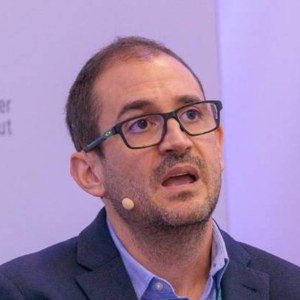
Dr Jordi Piera-Jiménez
Chief Executive Officer, openEHR International
Dr Jordi Piera-Jiménez is a senior leader in digital health, with more than 25 years’ experience spanning health IT, policy and strategy. He has led large-scale transformation programmes in Catalonia, where he advanced one of Europe’s most ambitious efforts to digitalise a health system. His work bridges technology, standards and public policy, with active contributions to international initiatives involving the WHO, the OECD and the European Health Data Space. A long-standing member of the openEHR community, he combines strategic insight with technical depth and is widely recognised for bringing organisations together to build meaningful, interoperable health systems.
CIC Board
The board of openEHR International. Two directors are appointed by the openEHR Foundation and the rest are elected by subscribing members, every two years.
Chair
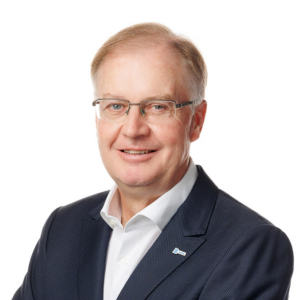
Tomaž Gornik
Co-Chair
Read bio
Tomaž is the CEO of Better and has led large teams of developers building world-class software products for more than 30 years. He challenges his team to build better software using state-of-the-art technology, architectures and processes, and has a deep understanding of software platforms, architecture, deployment and business models. He has a proven track record of delivering innovative turnkey solutions for large clients in telecommunications, finance and healthcare, and has spoken at conferences including TeleManagement Forum, HIMSS and Health 2.0.
Appointed by the openEHR Foundation
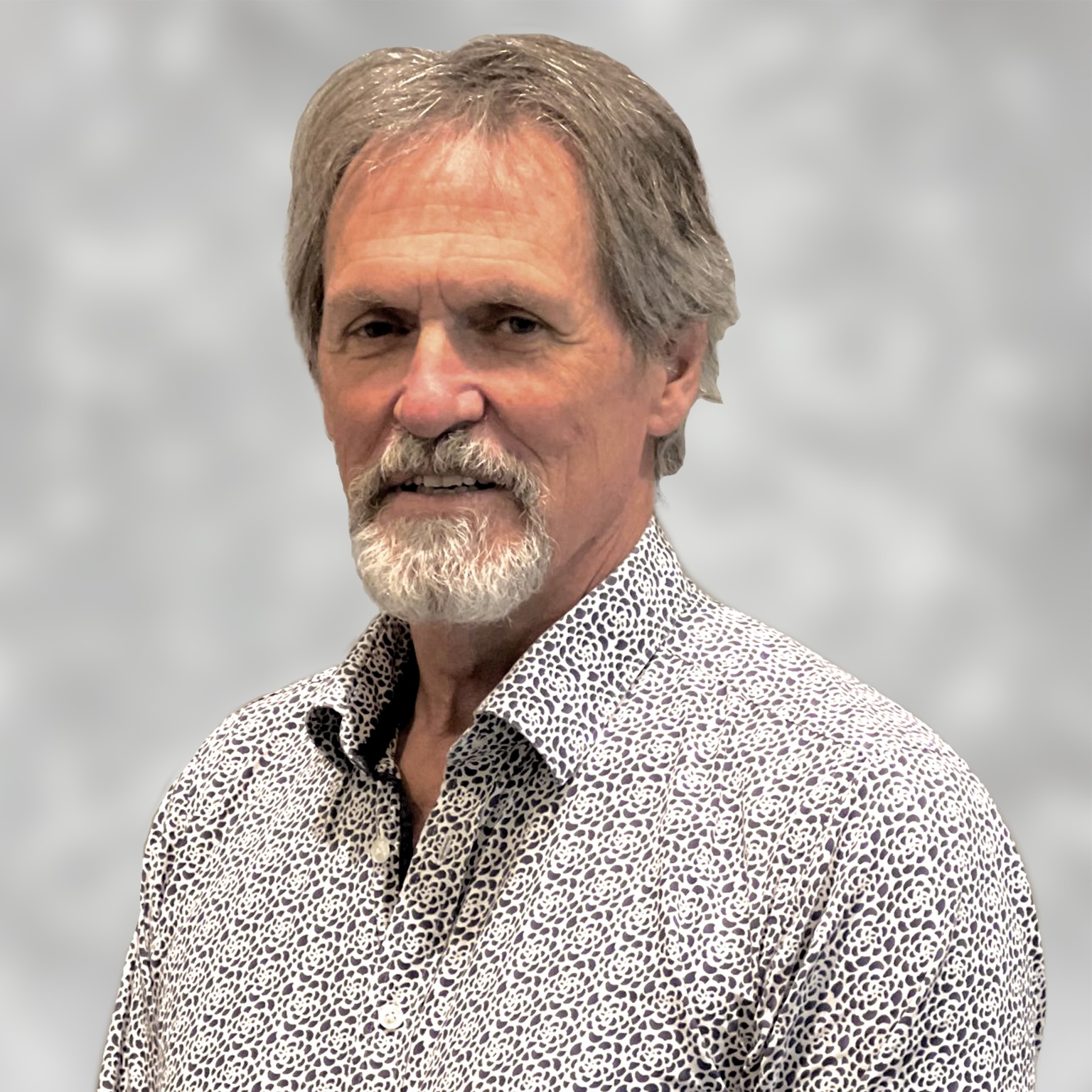
Dr Sam Heard
Foundation representative
Read bio
Dr Sam Heard MD, FRACGP, MRCGP, FACHI is a practising clinician who has worked throughout his career in inner London (UK) and the Northern Territory (Australia) to help standardise health information, so that clinicians and their patients can improve care and outcomes. This work began with the Good European Health Record in the early 1990s, continued through a long collaboration with Thomas Beale and CHIME at UCL and the founding of Ocean Informatics to support the vision, and culminated in setting up the openEHR Foundation in London in 2002. Sam was appointed Chair of the openEHR Foundation Board in June 2023, having served as a Director for many years. He was CEO until 2012 and is now Chair of Ocean Health Systems. He was a founding co-Chair of the HL7 EHR Technical Committee and has worked extensively with the UK and Australian national programmes to use and refine the openEHR method.
Dr Ian McNicoll
Foundation representative
Read bio
Ian is a former Scottish GP who has been involved in healthcare informatics for nearly 30 years, working with and promoting openEHR, first with Ocean Informatics and later as an independent consultant. His work has included promoting the Apperta open e-health platform ecosystem, with openEHR at its core, and a related development platform adopted by NHS England as part of its Code4Health initiative. He is a Director of the openEHR Foundation Board, a previous Chair of the openEHR Management Board, and was a Director of the International Board from March 2019 to November 2022.
Elected by members
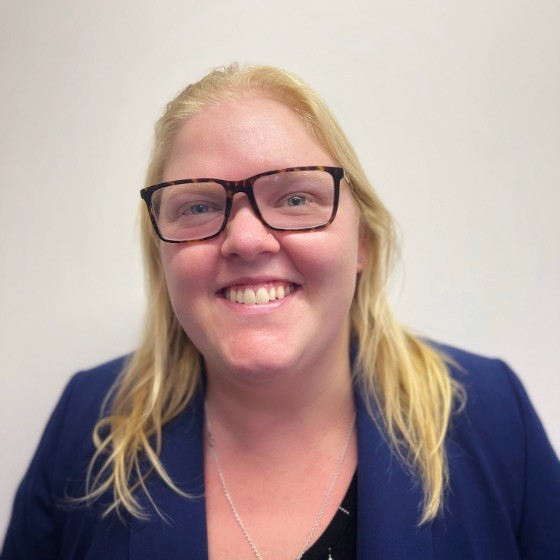
Rachel Fellner
Individual member representative
Read bio
Rachel Fellner is a digital health and health policy researcher specialising in health data governance, interoperability and the responsible use of AI in healthcare. At the OECD, she leads work on healthcare interoperability, examining the policy frameworks needed for trusted, equitable and efficient health data sharing across health systems. She also contributes to research on digital health policy, data governance and the use of AI to improve healthcare delivery. Rachel is passionate about using digital innovation to strengthen health systems, improve care quality and help patients play a more active role in managing their health.
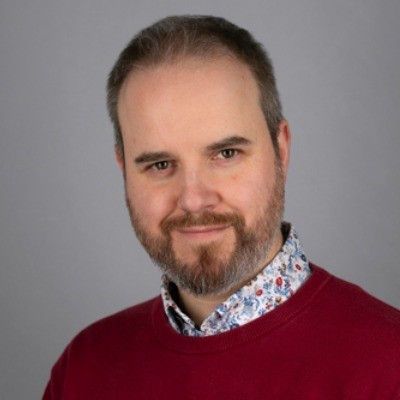
John Meredith
Professional member representative
Read bio
John is a health informatics professional with 18 years’ experience in the NHS. He is currently a senior architect at EY, leading on clinical data modelling and interoperability, and working closely with partners across the UK and Europe. His academic research in health began with a paper on system usability, which showed him first-hand the benefits that well-architected software brings to clinicians. He is undertaking PhD research into clinical data structures and interoperability standards with the University of Wales Trinity Saint David and the Wales Institute of Digital Information. His recent research includes the Contextual Problem List and the FOXS stack, which combines FHIR, openEHR, XDS and SNOMED CT as a way to build an open platform of standardised specifications and components.
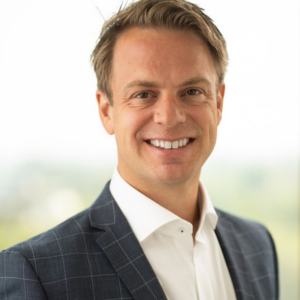
Dr Nils Hellrung
Industry representative
Read bio
Dr Nils Hellrung is CEO of vitagroup and a long-standing advocate for open standards, interoperability and sustainable healthcare data infrastructures.

Dr Mikael Nyström
Organisation representative
Read bio
Mikael is a board member of the Swedish Medical Informatics Association, where he leads the association’s work on openEHR. Since 2019 he has worked at Cambio Healthcare Systems AB, where he is Principal Informatician in the Product Department. He holds an MSc in Computer Science and Engineering (2002) and a PhD in Medical Informatics (2010), both from Linköping University, where he was a researcher and lecturer in medical informatics from 2002 to 2019, focusing on how classifications and SNOMED CT can be combined with openEHR to structure health records. Mikael has been active in the openEHR community since 2004 and has served on SNOMED International’s advisory committees since their inception in 2007. He has also consulted for the Swedish National Board of Health and Welfare and SNOMED International, and worked as an eHealth expert at RISE Research Institutes of Sweden AB.
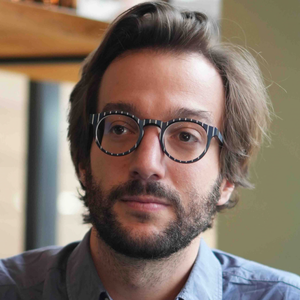
Dr Xabier Michelena Vegas
Organisation representative
Read bio
Dr Xabier Michelena Vegas is a rheumatologist (MD, PhD) and Clinical Informatics Lead of the Digital Health Strategy at CatSalut. He began working with openEHR in 2022 at Vall d’Hebron Hospital, where he led innovation projects and piloted openEHR for primary-use registries. He also deployed an EHRbase instance and explored ETL strategies aligned with OMOP standards. Since joining CatSalut, he has worked closely with an expert clinical modelling team to advance interoperable digital health systems, and is now focused on a unified, consensus-driven approach to structuring EHRs and orchestrating care processes across healthcare networks.
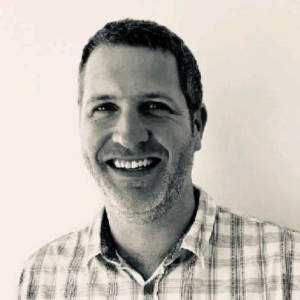
Thomas Webb
Expert representative
Read bio
Thomas Webb is a digital health leader, Founder of Ethical Healthcare and Non-Executive Director at CNTW NHS Foundation Trust. With nearly two decades of experience supporting NHS organisations, he specialises in digital transformation, EPR strategy, data platforms and large-scale clinical change. After nine years as a CEO, he moved to a portfolio career focused on board-level digital strategy, improving clinician experience and designing services that improve care. His work is driven by impact over profit, with a focus on behavioural insight, co-production and human-centred transformation, and he helps NHS organisations build stronger digital teams, operating models and lasting change.
Foundation Board
The directors of the openEHR Foundation, which holds openEHR’s intellectual property.
Directors
Dr Sam Heard
Chair
Also on the CIC Board. Read his bio.
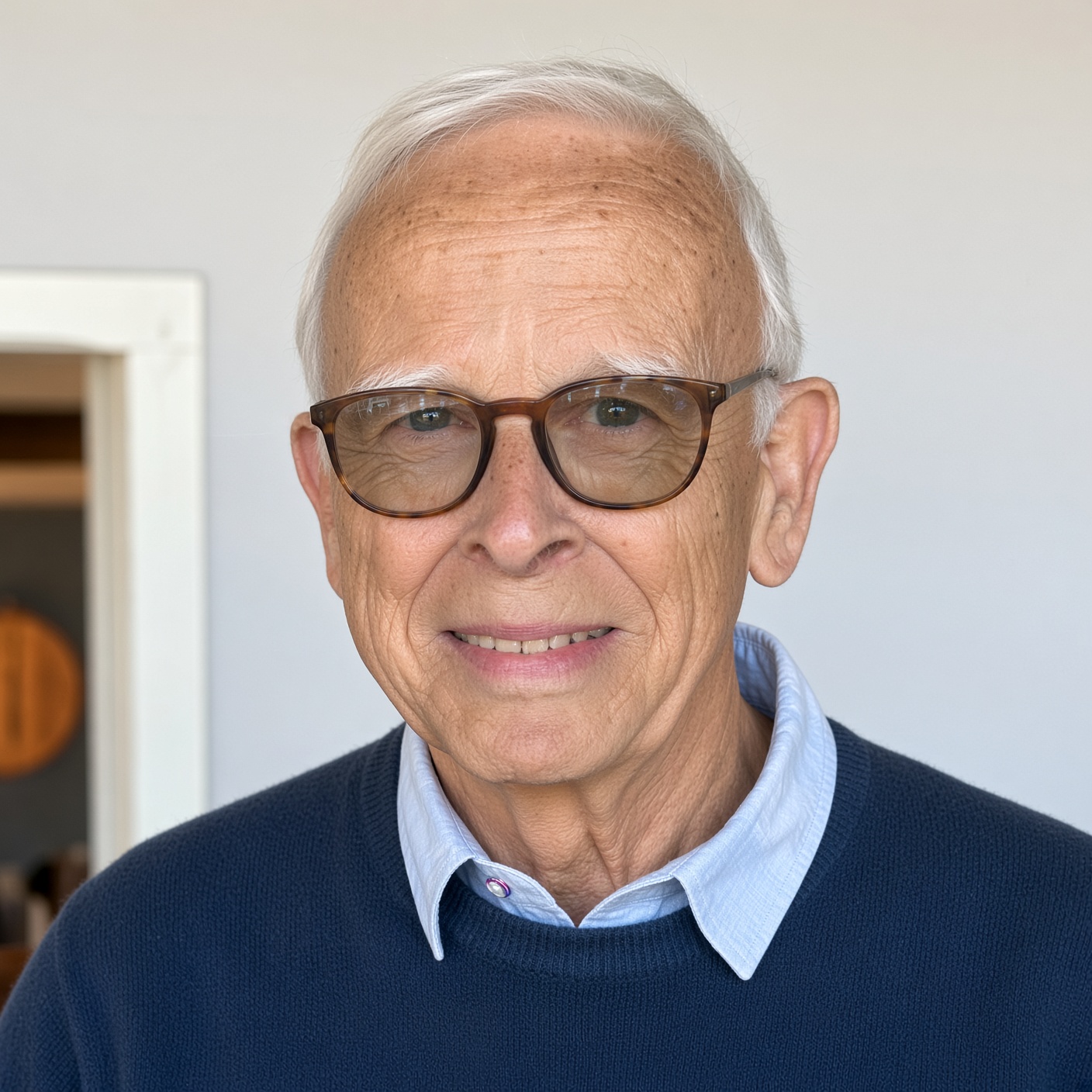
Professor Emeritus David Ingram
Director and President of openEHR
Read bio
David Ingram is Emeritus Professor of Health Informatics at UCL, President of openEHR, a Director and past Chair of the openEHR Foundation, and a Trustee of the OpenEyes charity. In 1989 he was appointed to the first Chair in Medical Informatics in the UK, and in 1995 he established the UCL Centre for Health Informatics and Multiprofessional Education (CHIME), which he directed until retiring in 2011. He led the foundational health record research of the EU’s GEHR Project from 1991. From this and later projects came the openEHR Foundation, of which he was Founding Chair from 2002 to 2012, and CHIME’s principal contributions to the CEN and ISO 13606 standards.
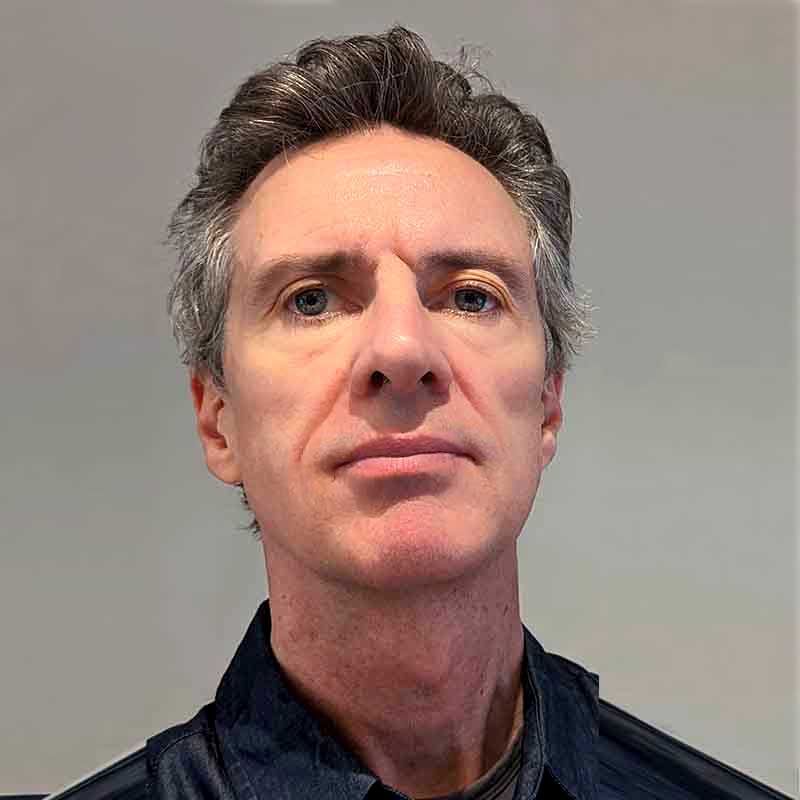
Thomas Beale
Director
Read bio
Thomas is one of the founders of openEHR, the chief technical architect and editor of the openEHR specifications, and was co-chair of the Specifications Editorial Committee (SEC) until 2023. He has taken part in international standards work (OMG HDTF, HL7, CEN TC/251) for many years. He designed the archetype formalism (ADL), the archetype object model (AOM, now an ISO standard), the Basic Meta-Model (BMM) and much of the Task Planning and Decision Language specifications. He has consulted for Intermountain Healthcare, the US Department of Veterans Affairs and ministries, health departments and public agencies in Australia, the UK, Brazil, Jamaica, Denmark, Sweden and Catalonia. His academic background is in electrical engineering (communications) and computer science, and his earlier work spanned real-time distributed control systems for power, gas and mining, investment management and finance, and software configuration management. He has published and presented widely on the patient-centric EHR, model-based platform ecosystems and e-health strategy. Thomas is VP Informatics at GraphiteHealth.
Tomaž Gornik
Director
Also CIC Co-Chair. Read his bio.
Dr Ian McNicoll
Director
Also on the CIC Board. Read his bio.
John Meredith
Director
Also on the CIC Board. Read his bio.
Dr Mikael Nyström
Director
Also on the CIC Board. Read his bio.
How you can take part
Members decide who runs openEHR. Anyone can join, and every membership level has a say.
Join
Become an individual, professional, industry or organisation member.
Vote and stand
Nominate candidates, stand for election, and vote for your group’s directors on the CIC Board.
Get involved
Join a program committee, take part in open meetings, and contribute to the Clinical, Specifications, Software or Education program.
Intellectual property and licensing
All openEHR intellectual property will remain fully open and free to use, in both commercial and non-commercial settings. This commitment is written into the Articles of Association of both the Foundation and the CIC.
Legal status
openEHR International is the trading name of the openEHR Community Interest Company (CIC), a not-for-profit, member-owned UK company regulated under the Companies (Audit, Investigations and Community Enterprise) Act 2004, designed for social enterprises that use their profits and assets for the public good.
The openEHR Foundation is a not-for-profit UK company limited by guarantee, regulated under the UK Companies Acts 1985 and 1989. The name ‘openEHR’ is registered internationally as a trade mark. The Foundation’s main legal role is to hold openEHR’s intellectual property, which it makes freely available.
Since 10 May 2019, the day-to-day running of openEHR has been entrusted to openEHR International. This gives subscribing members direct control of openEHR through the election of CIC directors. The members of the previous openEHR Management Board became the CIC’s founding directors. The Foundation continues to hold the intellectual property and appoints two directors to the CIC Board.
Licensing principles
- openEHR specifications, software and clinical models (archetypes, templates and terminology subsets) are available at no cost.
- Specifications, open-source software and clinical models can be used without restriction in commercial products.
- When one party authors derivative models (archetypes, templates and terminology subsets), this doesn’t limit anyone else’s right to create the same models.
- Forms or other software built using the models can be protected commercially, like any other work.
- Query languages using the models may be freely developed and protected commercially without restriction.
- The IP in the specifications themselves (for example, the openEHR Reference Model and the archetype formalism) is protected by the Foundation, independently of how they’re expressed (for example, in ADL or XML).
- Contributors must declare any current or future IP or patent claims in content they contribute.
- Clinical models based on copyrighted ‘scales’ or ‘scores’ (for example, the Glasgow Coma Scale or the Braden Scale).
- Use of terminology codes, value sets and reference sets is governed by a formal agreement where appropriate.
What’s covered, and under which licence
| Area | What it includes | Copyright | Licence |
|---|---|---|---|
| Specifications | The Foundation’s official specifications, in source and published form, maintained in the openEHR specifications repositories on GitHub. | openEHR Foundation | CC BY-ND |
| Computable artefacts | Recognised computable or formal artefacts, including UML model source files, XSD, JSON, REST API source files and code examples. | openEHR Foundation | CC BY-SA |
| Clinical models | Archetypes, templates and terminology artefacts developed by the community and hosted in the Clinical Knowledge Manager. | openEHR Foundation | CC BY-SA |
| Specialised archetypes and templates | Specialisations of the community’s archetypes and templates. | openEHR Foundation | CC BY-SA |
| Software | Open-source software based on openEHR specifications or artefacts, mostly on GitHub. | openEHR Foundation, or the original authoring organisation | Apache 2.0 |
Why the specifications use CC BY-ND
CC BY-ND allows public sharing, republishing and unrestricted commercial use, while protecting users from unofficial modifications made outside the Foundation’s open processes. The W3C takes the same approach with its document licence. A share-alike licence was considered and rejected for two reasons: the specifications are definitive works of the Foundation, reflecting the community’s own processes, and the integrity of specifications that healthcare software is built on matters greatly to patients and clinicians.
Third-party IP
openEHR artefacts, mainly archetypes and templates, refer to third-party IP such as terminology codes. Referring to it isn’t generally a use of that IP, but using the artefacts, for example in a live health information system, may be. Anyone deploying openEHR is responsible for making sure they use any referenced third-party IP legally.
The openEHR Foundation has agreements to reference the following in its published artefacts:
Code of Conduct
openEHR International follows the Apache Software Foundation’s Code of Conduct. It applies to every space the openEHR community uses, including forums, mailing lists, issue trackers, wikis, blogs and social media.
Read the Code of Conduct
We strive to:
- Be open. We invite anyone to participate in our community. We prefer public methods of communication for project-related messages, unless discussing something sensitive. This applies to requests for help or support too: a public request is much more likely to get an answer, and any mistakes in the answers are more easily spotted and corrected.
- Be empathetic, welcoming, friendly and patient. We work together to resolve conflict, assume good intentions, and do our best to act with empathy. We may all feel frustrated at times, but we don’t let frustration turn into personal attacks. A community where people feel uncomfortable or threatened isn’t a productive one. We’re respectful towards other community members and towards people outside our community.
- Be collaborative. Our work will be used by other people, and we depend on the work of others. When we make something for the benefit of the project, we’re willing to explain how it works so others can build on it. Any decision we make affects users and colleagues, and we take those consequences seriously.
- Be inquisitive. Nobody knows everything. Asking questions early avoids many problems later, so questions are encouraged, though they may be directed to the appropriate forum. Those who are asked should be responsive and helpful.
- Be careful in the words we choose. Whether we take part as professionals or volunteers, we value professionalism in all interactions and take responsibility for what we say. Be kind to others and don’t insult or put down other participants. Harassment and other exclusionary behaviour aren’t acceptable (see the list below).
- Be concise. What you write once will be read by hundreds of people. Short messages help everyone follow the conversation, and they should still be empathetic, welcoming, friendly and patient. When a long explanation is needed, add a summary. Try to bring new ideas to a conversation, and stay on topic, especially in large discussions.
- Step down considerately. People come and go. When you leave or step back from a project, tell people and take the steps needed so others can pick up where you left off. Stay respectful of those who continue, and don’t misrepresent the project’s goals or achievements. Likewise, community members should respect anyone’s choice to leave.
Behaviour that isn’t acceptable
- Violent threats or language directed against another person
- Sexist, racist or otherwise discriminatory jokes and language
- Posting sexually explicit or violent material
- Posting, or threatening to post, other people’s personally identifying information (“doxing”)
- Sharing private content, such as emails sent privately or non-publicly, or unlogged chat history
- Personal insults, especially those using racist or sexist terms
- Unwelcome sexual attention
- Excessive or unnecessary profanity
- Repeated harassment of others. In general, if someone asks you to stop, then stop
- Advocating for, or encouraging, any of the above behaviour
Diversity statement
The openEHR community welcomes and encourages participation by everyone. We’re committed to being a community that everyone feels good about joining. Although we may not be able to satisfy everyone, we will always work to treat everyone well.
No matter how you identify yourself or how others perceive you: we welcome you. Though no list can be comprehensive, we explicitly honour diversity in age, culture, ethnicity, genotype, gender identity or expression, language, national origin, neurotype, phenotype, political beliefs, profession, race, religion, sexual orientation, socioeconomic status, subculture and technical ability.
We expect everyone in our community to meet the standards in the Code of Conduct in all their interactions, and to help others do the same.
Related
- Join openEHR
Membership levels, fees and how to sign up.
- The story of openEHR
How the Foundation and openEHR International came to be.
- Policies
Licensing, IP and organisational policies.
- Logos and trademarks
How to use the openEHR name and logo.