
openEHR is growing, and our team is growing with it.
Over the past year, interest in openEHR has expanded well beyond early adopters. Health systems around the world are no longer just looking for another application; they want clinical data that is durable, vendor-neutral and ready for whatever comes next, including AI. Independent analysts are seeing the same shift. Black Book Research’s 2026–2027 report on openEHR adoption finds that openEHR’s global momentum is increasingly tied to AI-usable longitudinal clinical records, digital sovereignty, and policy-driven modernisation, not just interoperability alone. The report also highlights procurement moving towards data that outlives the application, and notes that openEHR is frequently evaluated as foundational architecture offering future-proof flexibility, computable semantics and vendor neutrality.
That momentum is visible in our own community too. EHRCON26 was our biggest and most international conference yet, and our clinical modelling, specifications and community work has never been busier.
“We’re thrilled to welcome Heidi, Keisha, Severin and Paul to the openEHR International team. Together, they bring a wealth of expertise in clinical modelling, digital health, interoperability, technology and clinical informatics. Their combined experience will strengthen our ability to meet the needs of a growing international community and continue taking openEHR forward.” – Jordi Piera Jiménez, CEO, openEHR International
To keep pace with that demand, and to ensure we continue to deliver the quality the community relies on, we’re delighted to welcome four new members to the openEHR International team. Each of them already knows openEHR inside out, and each brings something distinct to the next chapter.
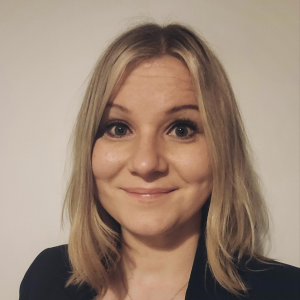
Heidi Koikkalainen, Senior Clinical Modeller
Heidi is a health and social care informatics specialist who has spent more than six years at freshEHR, where she is now a Director. With a background in social care, she previously worked in local authority housing and learning disability services in Edinburgh. Her work centres on clinical data modelling with openEHR, HL7 FHIR and SNOMED CT, and she has provided training and support to health and social care projects in the UK, Finland, Sweden and beyond. Over the past year, she has also been involved in the openEHR-FHIR collaboration on the International Patient Summary (IPS). Alongside Rosaldo, she has helped develop openEHR clinical modelling online courses that have reached learners worldwide.
Heidi already sits on our Clinical Program Board Expert Panel and the International Editorial Board, and her research interests in semantic interoperability and health data analytics make her a natural fit for the role.
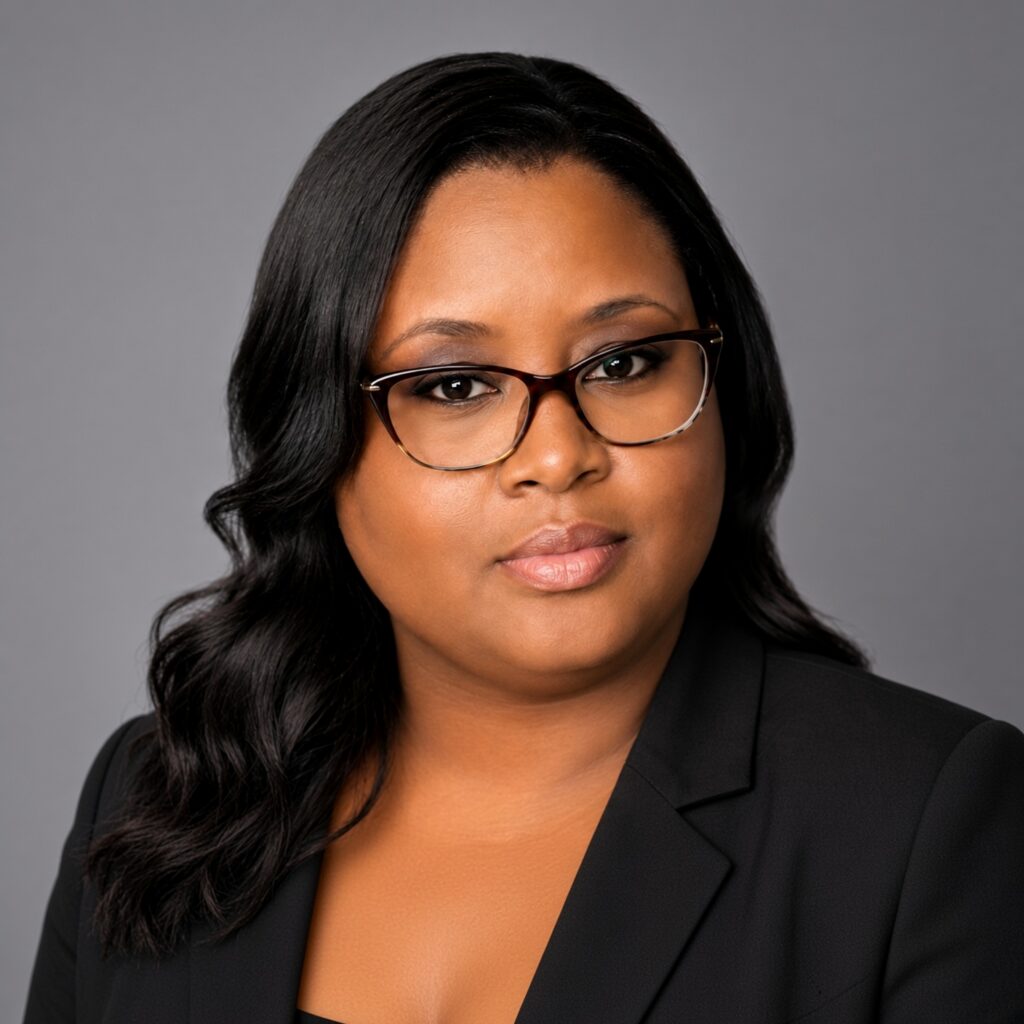
Dr Keisha Barwise, Senior Clinical Modeller
Keisha is a physician and digital health architect based in Jamaica. Over six years with Jamaica’s Ministry of Health and Wellness programmes, she helped shape national digital health strategy and build the foundations for semantic interoperability, including digital identity and Jamaica’s adoption of SNOMED CT. She went on to serve as one of Jamaica’s first representatives to the SNOMED Member Forum, while her terminology and openEHR clinical information modelling work contributed to national resources supporting clinical and public health use. She also supported a national EHR pilot across three hospitals and ten health centres.
Her openEHR work has extended internationally, including collaboration with openEHR Fellow Nicola Ewen-Hall on translating the WHO Antenatal Care Digital Adaptation Kit into openEHR clinical models. Keisha previously worked as our Clinical Modelling Coordinator, sat on the Clinical Program Board Expert Panel and International Editorial Board, and currently contributes to the Translation Working Group. She now leads Lucea Data, a digital health company focused on standards-based connected care in the Caribbean, and is a strong advocate for bringing smaller and emerging health systems into global clinical modelling.
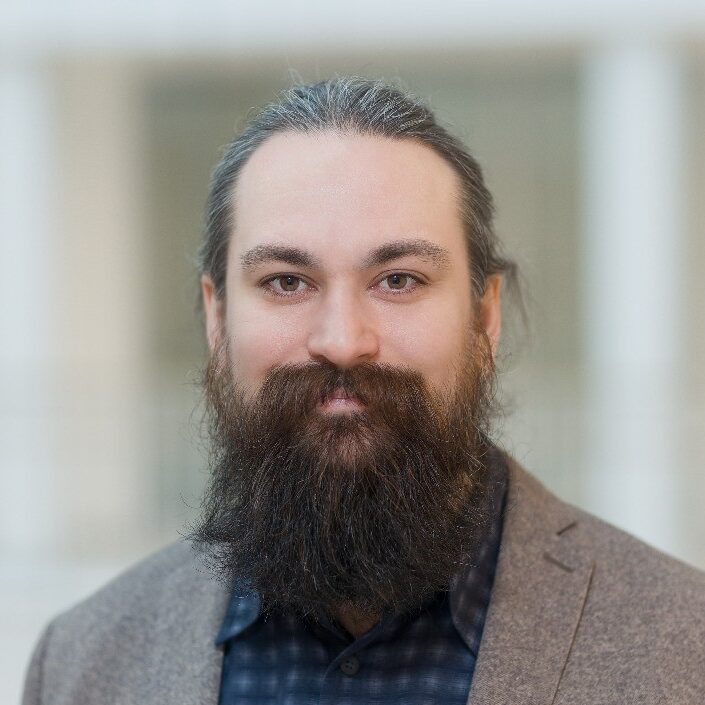
Severin Kohler, Chief Technology Officer
Severin joins us as CTO, bringing nine years of research in clinical interoperability and electronic health records. He takes on the role alongside his position as Head of Product Engineering at vitagroup, giving him a close, practical view of how openEHR is built and deployed in industry.
For almost five of those years, Severin was an interoperability researcher at the Berlin Institute of Health at Charité, contributing to major German medical informatics initiatives including HiGHmed and the NUM CODEX COVID-19 data exchange platform. He is known for his work bridging openEHR, FHIR and OMOP, and is completing a PhD at Freie Universität Berlin.
Severin has been part of openEHR’s specification work for several years, so he arrives with a clear understanding of where our technical foundations are strong and where they can go further. As CTO, he will lead our technical direction and help ensure the openEHR platform continues to meet the needs of a rapidly growing implementer community.
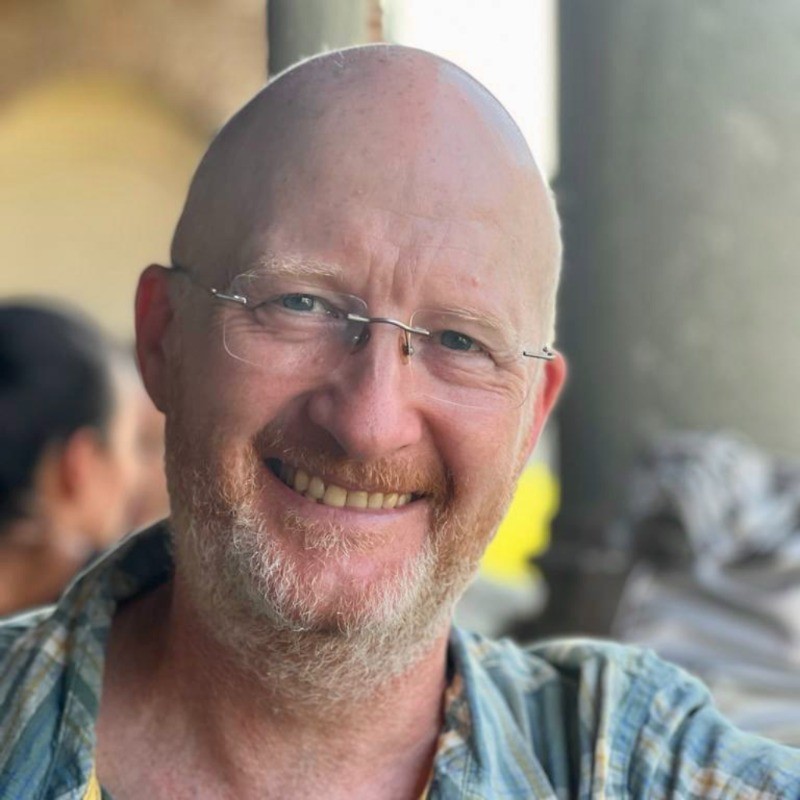
Dr Paul Miller, Chief Clinical Information Officer
Paul joins as our Chief Clinical Information Officer. A former general practitioner turned clinical informatics specialist, he spent more than seven years as Clinical Informatics Lead at NHS Education for Scotland, working on the data models that underpin digital care in Scottish health services.
Many in the community will already know Paul as co-chair of the openEHR Clinical Program Board. In his new role he will lead our clinical strategy, making sure the voice of clinicians stays at the heart of everything openEHR builds.
Building for the future
These four appointments strengthen openEHR in the two areas that matter most to our community: robust, well-governed technology and clinically sound, internationally agreed models. Together, Heidi, Keisha, Severin and Paul bring experience from Germany, Scotland, Finland, Jamaica and far beyond, reflecting the truly global community openEHR serves.
If you’d like to connect with any of our new colleagues, you’ll find them on Linkedin, on Discourse, and at upcoming openEHR events.
Leave a Reply